

In this post, I want to share with you some photography tips for stunning shots. But before we get onto that, I thought I’d better give you a bit of background. Because you see, photography has always been a part of my life. Whilst these days, nearly everybody takes photographs, whether with their phone or a camera, I’m talking about a time before camera phones. Shock horror, there was a time before they existed!
In those days, capturing a moment wasn’t as instantaneous as it is now. You had to carefully choose your shots, considering factors like lighting, composition, and exposure without the luxury of preview screens or editing tools. It was a different kind of art form, requiring patience and precision. While it may seem antiquated in today’s digital age, there is a certain nostalgic charm to film photography that is unmatched by modern technology.
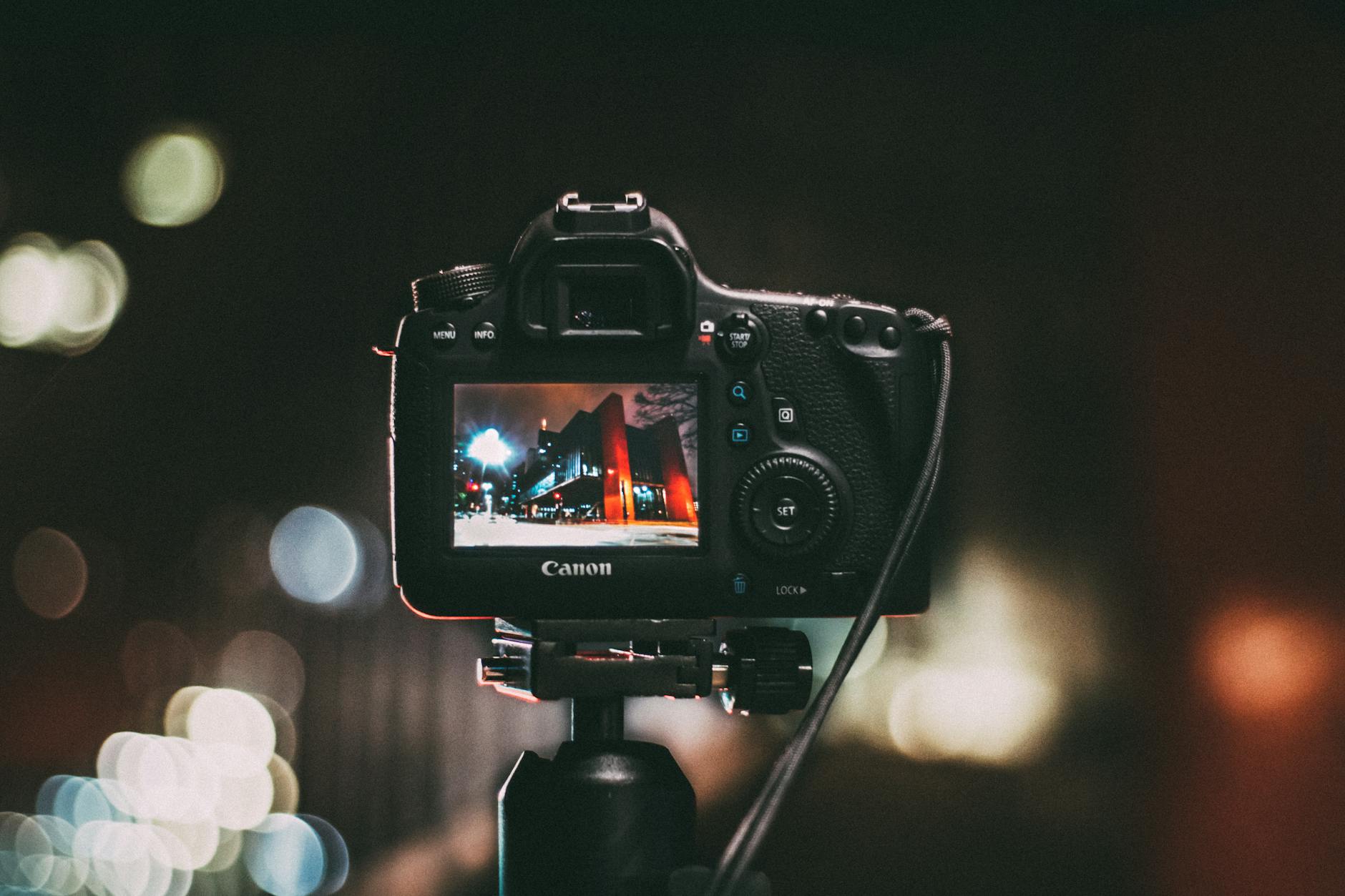
Looking back, I remember the excitement of receiving developed photographs and the anticipation of seeing how each image turned out. It was a more deliberate and thoughtful process that made each photograph feel precious and unique. The permanence of film also lent a sense of value to every exposure, as each frame was a captured moment frozen in time.
Reflecting on these experiences, I realize how much photography has evolved and how fortunate we are to have powerful cameras at our fingertips. Despite the instantaneous nature of digital photography, there is still merit in understanding the fundamental principles of the art. This is why I believe it’s valuable to delve into the roots of photography, where the focus was on storytelling through a single, carefully composed shot rather than rapid-fire captures.
By exploring the history of photography and its gradual transformation, we gain a deeper appreciation for the art form and the incredible advancements that have brought us to where we are today. So, as we dive into photography tips for stunning shots, let’s keep in mind the rich heritage of this visual art and the journey it has taken to become what it is today.
A little backstory
When I was born (30 years ago to be exact), my dad was already into his photography and had been for quite a few years. His main subject of course, was aviation. No shock there! However, he also took photos of life That could be his dogs, family or just generally out and about. Then I came along and you guessed it, I became the main subject. I’ve got so many photo albums full of me as a baby or toddler. And I love that their are so many to look back on, especially now I have my own daughter.
By the time I was starting school, my dad had moved into wedding photography, in addition to aviation and life photography. We used to spend our weekends at different wedding venues, watching as dad took photos of the beautiful brides. This is a time before digital cameras. One of my favourite memories is getting the next film canister ready to put into the camera. It almost became a bit of a game because it had to be done quickly so the photos could continue.
Fast forward two or three years…
Dad bought me my first camera. I remember it so well. Of course it was still a film one but it was pink and I loved it. And that was my introduction to photography. Of course me and dad moved into digital as it became readily available and have since had numerous cameras. And believe it or not, I actually enjoyed videoing planes rather than taking photos of them for quite a few years. The photography side came after, wen I wanted to experiment more with my style which is harder to do with videos.
So with all of that being said, I do feel like I am in a position that I can share photography tips that will allow you to get those amazing shots you are after. Just before I get into the tips (I promise they are coming), the main thing to remember is that photography is an art. Like all art, it is in the eyes of the beholder. You might find a style that you like which is different to others. That doesn’t mean that it is wrong. Photography allows us to capture and preserve special moments, no matter the subject.
So without further ado, here are some tips to enhance your photography skills:
Understanding your camera
Understanding your camera is crucial for capturing great photographs. Whether you’re using a smartphone, a basic point-and-shoot camera, or a professional DSLR, the key is to comprehend its features and capabilities. The price of the camera is not as important as knowing how to make the most of its functions. This knowledge will empower you to unleash your creativity and take stunning images, regardless of the type of camera you have.
When I’m talking about understanding your camera, you want to be looking at the settings. Get to grips with understanding the aperture, shutter speed and ISO. This is a great starting point to improving your photographs. These three things kind of work together in a triangle and can greatly affect any photos you take. Not sure what I’m talking about? I’ll leave a brief explanation for each one below from the Canon website:
The aperture of a lens, quite simply, is the opening through which light passes into the camera. The wider the opening, the more light can reach the camera sensor, which in turn affects the exposure of the image.
Changing your camera’s shutter speed is one way to adjust the overall exposure of an image. But it also has creative uses, allowing you to control the amount of motion blur (or lack of it) in your images.
ISO is your camera sensor’s sensitivity to light. The higher the ISO speed, the more light-sensitive it is. What this means is that you can use a quick shutter speed, which is useful in sports photography and low light, or a smaller aperture, for where you want a wide depth of field.
Composition
The art of photography is a multifaceted and dynamic craft that encompasses various aspects, with framing and composition playing a pivotal role in the creation of captivating images. When delving into the intricacies of photography, it becomes imperative to discern the significance of meticulous attention to the framing and composition of each shot. This meticulousness not only accentuates the visual allure of the photograph but also serves as a canvas for the photographer’s unique style to be portrayed.
Indeed, the compositional elements, such as the rule of thirds, leading lines, and framing, wield the power to elevate the visual impact of an image, imbuing it with a sense of depth and intrigue. While the conventional wisdom often advocates for placing the main feature of an image in the center, it is essential for photographers to harness their creative discernment and experiment with unconventional compositions to convey their intended message or evoke specific emotions.
Therefore, the art of composition in photography transcends the adherence to standard conventions and involves introspective thought and vision. By astutely considering the arrangement and balance of elements within the frame, photographers can mold their creative vision into tangible visual expressions that resonate with audiences on a profound level.
Lighting
The mastery of lighting in photography is undoubtedly a challenging yet crucial aspect of the art. For many photographers, including myself, achieving confidence in handling lighting has been an ongoing journey. Natural light, while offering ample opportunities for capturing breathtaking images, can also present its own set of challenges. Understanding the interplay of natural light with the surrounding environment, as well as considering factors such as the time of day and the direction of the light, is pivotal in harnessing its potential to its fullest. Embracing this process of learning and experimentation can lead to remarkable results, as the play of light and shadow adds depth and character to photographs, elevating them to new heights.
Stability
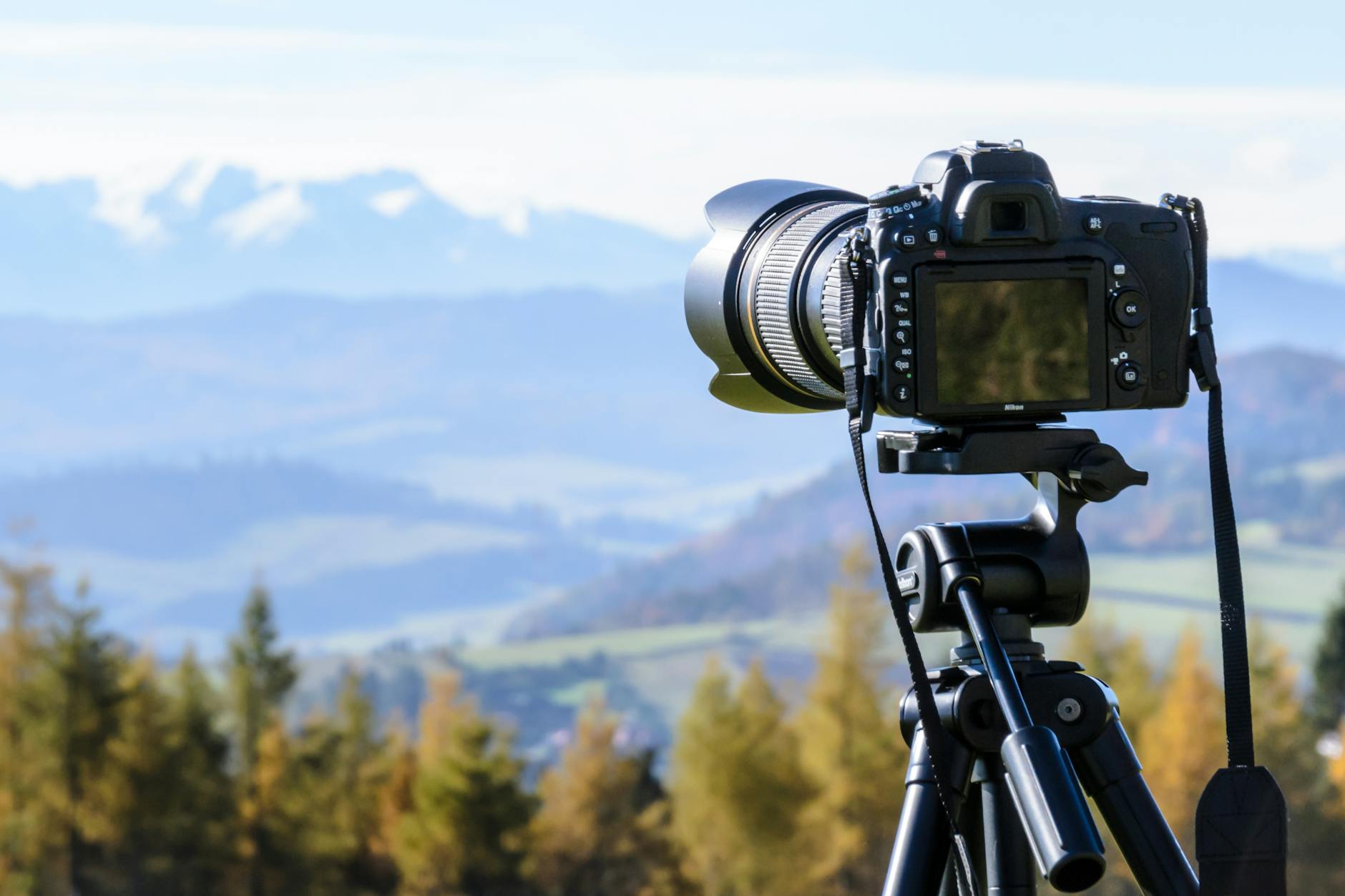
Stability is a crucial aspect of photography and can significantly impact the outcome of your photos. It’s important to recognize that stability is subjective and varies from person to person. For instance, while some individuals may possess the exceptional ability to capture sharp images at low shutter speeds without a tripod, others may find it challenging to achieve the same results. In such cases, utilizing a tripod or stabilizing the camera on a firm surface can effectively mitigate the risk of camera shake, ultimately leading to clearer and sharper images.
Camera shake is a common concern that can detrimentally affect the quality of your photos, causing them to appear blurry and out of focus. This issue becomes particularly pronounced when shooting in low-light conditions or using slow shutter speeds. Therefore, being mindful of stability considerations is paramount for photographers aiming to produce high-quality images, especially in challenging lighting scenarios. By prioritizing stability, photographers can minimize the impact of camera shake and enhance the overall sharpness and clarity of their photographs, ultimately achieving the desired visual results.
Editing
The process of post-processing your photos is a crucial step in elevating the visual impact of your photography. Once you have captured images that you are satisfied with, the next step is to delve into the realm of editing. This transformative process allows you to explore a myriad of possibilities, from enhancing colours and contrast to refining sharpness and adding creative effects. It is widely acknowledged among photographers that photo editing plays a significant role in refining and perfecting their images. Whether it involves subtle adjustments or more comprehensive enhancements, the application of editing techniques can truly elevate the quality of your photography.
When engaging in post-processing, many photographers, including myself, rely on Adobe Lightroom for its comprehensive set of tools and intuitive interface. However, it’s important to note that the realm of photo editing encompasses a diverse array of software options, each offering unique features and capabilities. Exploring different editing software can open up new creative avenues and allow you to tailor your editing workflow to suit your specific preferences and requirements.
Embracing the art of post-processing empowers you to unlock the full potential of your photographs, bringing your creative vision to life and captivating your audience with stunning visual storytelling. Whether you are a seasoned professional or an enthusiastic newcomer to the world of photography, the process of editing provides a captivating opportunity to refine and enhance your images, ultimately enabling you to express your unique perspective in a captivating and visually compelling manner.
Practice
Like any skill, practice makes perfect. Photography isn’t something you can just learn overnight. Take every opportunity to practice your photography and experiment with different techniques. There is no shame in making mistakes along the way. The most important thing is that you learn from them.
Photography is a beautiful art that requires dedication and patience. It’s a journey of learning and growth, filled with moments of creativity and self-discovery. Each photograph taken is a reflection of the photographer’s unique perspective and style. Embracing the process of trial and error can lead to unexpected and remarkable results. Remember, behind every great photograph is a series of attempts, adjustments, and, yes, even mistakes. These experiences are essential in honing your craft and developing a deeper understanding of photography. Keep exploring, keep learning, and keep capturing the world through your lens.
Final thoughts
I’m hope that you have found the photography tips helpful, as capturing stunning photographs is truly an enjoyable and rewarding experience. Remember, photography is not just about technical skill, but also about expressing your creativity and individual perspective through the lens. When you are out capturing moments, let your passion for photography guide you and always remember to have fun. Each photograph you take is a reflection of your unique vision and creativity, so embrace the process and allow your artistic spirit to shine through.
 The Kelly Diane Report
10 responses to “Mastering Photography Basics: Tips for Stunning Shots”
This is a great post and I loved reading the backstory of how your dad got into photography, I bet it’s so lovely photographing weddings! Practice definitely makes perfect when it comes to photography! x
Lucy | http://www.lucymary.co.uk
LikeLike
Great article! Photography can be a little challenging learning about the settings and how to program them. Thanks for sharing the story about your dad with us 🙂
LikeLike
This was such an interesting post to read! I enjoy taking photos myself and even took a photography class! It was really fun! I never really thought of myself as creative, but taking the photography class opened my eyes to my unique view of the world. I realized I do have a little talent for seeing the little beauty in the small things and capturing it in photos. My father likes taking photos too. He took a lot of pictures of me when I was a child. My parents put some of the photos in an album for me and gave it to me. Unfortunately I lost the album. I was a small when the album was given to me. I was so happy to have that I didn’t want to part with it. I wanted to take it everywhere with me. One day my when I wanted to take the album outside my mom told me that I should leave it home. I took the album with me anyway, and I ended up losing it. I am still kicking myself over that! lol. Thankyou so sharing this post! I particularly liked reading your sweet story behind your love of photography!
LikeLike
It is so nice to read about how you got into photography. I have always loved photography, specifically flowers and now butterflies. I have been using my parent’s old camera for the past year, and still haven’t actually read the instruction manual – really need to do that to better my photos, as you say!
LikeLike
Totattly agree with you, being good photograpgher never happen overnight and need lots of learning. I do practices from time to time and help me to learn angles and right time to take the photo. Great post!
LikeLike
What a lovely post, it was great to read how you grew up with photography all around you. It’s great that you were able to make a game of changing the film in the camera for weddings, I can imagine that it was great for you to get involved. I remember having a wind up camera and being so excited to get the photos developed. It’s kind of crazy that everything is so instant nowadays xx
LikeLike
Some great tips here that I always share in our local camera club. My dad got me into photography as well 💜
LikeLike
My Dad likes photography. And so do I. It’s a very fun and healing hobby.
LikeLike
I loved the backstory! I remember those days when there were no phones or even digital cameras. Each photo was precious because you couldn’t redo them. I’m not a passionate photographer like you are, but this is a great guide for someone like me. I have zero understanding of the technicalities of cameras and I finally learned here what ISO means. lol.
LikeLike
You are right being good at photography does take practice and learning about the many factors that can take a picture turn out well.
LikeLike