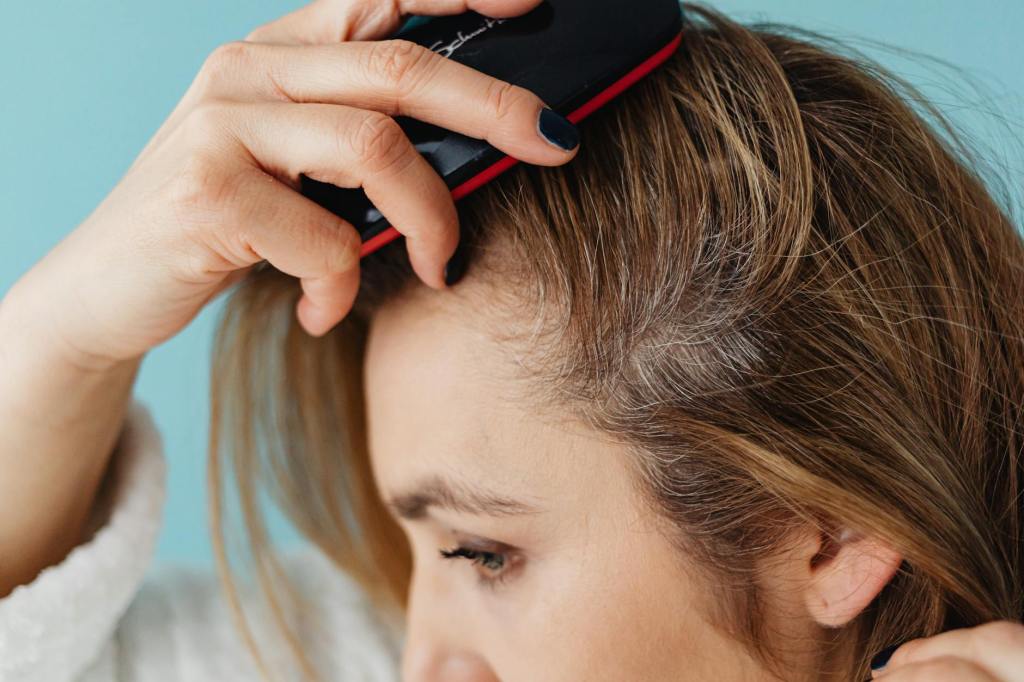
For decades, the spotlight in haircare has been on shiny ends and volume-boosting shampoos. But now, the spotlight has shifted – scalp care is having a moment, and it’s here to stay.
Modern consumers are becoming more ingredient-savvy and holistic in their approach to beauty. From TikTok tutorials to dermatologist-backed product lines, the growing awareness of scalp health’s impact on hair quality is driving a revolution.
Just like skincare, scalp care is about balance, nourishment, and consistency – not quick fixes. The difference? A healthier scalp equals stronger, thicker, and faster-growing hair.
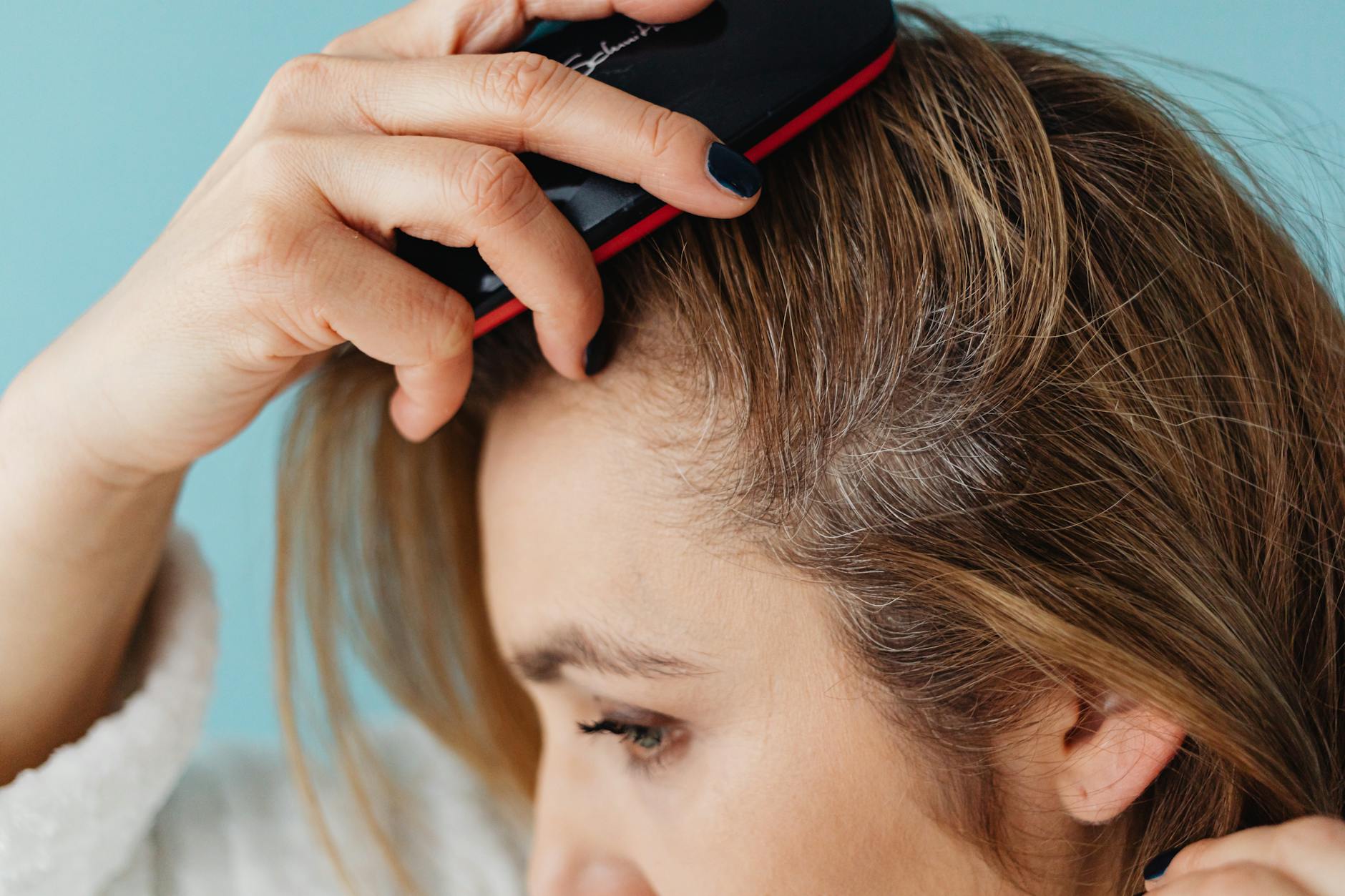
Understanding the Scalp Microbiome
One of the most exciting scientific revelations behind scalp care is the importance of the scalp microbiome. This ecosystem of bacteria, fungi, and natural oils is essential in maintaining scalp pH, regulating oil production, and preventing inflammation.
An unbalanced scalp microbiome can lead to:
- Seborrheic dermatitis – dandruff, itching, and redness
- Fungal overgrowth like Malassezia
- Hair loss or stunted growth
- Increased sensitivity or irritation
To support the microbiome, choose microbiome-friendly products – those free from sulphates, parabens, and harsh alcohols – and avoid over-washing or excessive styling.
How Stress, Hormones & Lifestyle Affect Your Scalp
Scalp issues aren’t just surface-level. Hormonal imbalances (especially in women), stress, poor sleep, and diet deficiencies can all manifest on the scalp.
Common scalp concerns linked to lifestyle:
- Excessive oil – High cortisol levels, hormonal imbalance
- Flaky scalp – Fungal imbalance, poor diet, stress
- Hair shedding – Iron / zinc deficiency, postpartum, thyroid issues
- Itchiness & redness – Histamine response, sensitivity, inflammation
Adopting a holistic approach – including stress management, adequate hydrating, and omega-3-rich foods – can significantly improve scalp resilience and reduce flare-ups.
Scalp Facials & In-Salon Treatments: Are They Worth It?
High-end salons and dermatology clinics are now offering scalp facials, a service that includes steaming, exfoliating, detoxing, and massaging the scalp.
Professional scalp treatments can:
- Unclog blocked follicles
- Increase blood flow to the scalp
- Detox impurities from environmental pollution
- Enhance the absorption of active ingredients
Popular options include:
- Hydrafacial Scalp Therapy: A deep-cleaning and hydrating treatment
- PRP (Platelet-Rich Plasma): Boosts collagen and hair regeneration
- LED Light Therapy: Helps reduce inflammation and stimulate follicles
If you’re serious about regrowing hair or treating chronic scalp issues, consider consulting a trichologust (scalp specialist) for custom guidance.
Seasonal Scalp Care Tips
Like your skin, your scalp changes with the seasons. Here’s how to adapt your scalp care routine throughout the year:
Summer
- Sweat and sunscreen can clog pores – use a weekly clarifying shampoo
- Protect scalp from sunburn with a scalp SPF spray or hat
- Rinse hair after swimming to prevent chlorine buildup
Winter
- Combat dryness with hydrating scalp oils (e.g. argan, squalane)
- Avoid super-hot showers which strip natural oils
- Increase scalp massage to stimulate sluggish circulation
Spring & Autumn
- Seasonal shedding is normal; use peptides and caffeine-infused serums
- Focus on exfoliation to remove dead skin cells and excess sebum
How to Choose the Right Scalp Products for Your Hair Type
No two scalps are the same. Here’s how to tailor your routine based on scalp and hair type:
- Oily Scalp – Salicylic acid shampoo, clay scalp masks, niacinamide serums
- Dry / Flaky Scalp – Tea tree oil, coconut oil, aloe vera-infused products
- Sensitive Scalp – Fragrance-free, hypoallergenic formulas, chamomile or oat extract
- Noraml Scalp – Balanced, lightweight products to maintain homeostasis
Make sure your products support scalp barrier function, don’t cause buildup, and match your hair porosity and thickness.
New Innovations in Scalp Care: What to Watch in 2025
The scalp care market is growing fast—and so is the tech. Emerging trends include:
- Scalp scanning apps that use AI to assess health and recommend products
- Micro-needling tools for at-home follicle stimulation
- Peptide-infused dry shampoos that don’t clog follicles
- Prebiotic and probiotic scalp tonics to boost the scalp microbiome
- Cryo scalp rollers to reduce inflammation and increase blood flow
Brands like Act+Acre, Vegamour, Divi and The Inkey List are leading the charge with science-backed formulations.
Mistakes to Avoid in Your Scalp Care Routine
Even with the right products, your scalp care routine can backfire if done incorrectly. Here’s what to avoid:
- Over-exfoliating: More than 2x a week can strip the scalp
- Using hot tools near the roots without heat protection
- Sleeping with wet hair, which can promote bacterial growth
- Skipping scalp care altogether in protective styles like braids or wigs
- Consistency and moderation are key. Like skin, the scalp responds best to gentle, regular care.
DIY Scalp Massage: 3-Minute Ritual for Hair Growth
You don’t need fancy tools or products – just your fingers and 3 minutes a day.
How to perform an effective scalp massage:
- Use your fingertips (not nails)
- Apply gentle pressure in small circular motions
- Focus on the crown, temples, and nape of the neck
- Optional: Add a few drops of rosemary or peppermint oil diluted in a carrier oil
This daily ritual improves blood circulation, de-stresses your body, and primes your scalp for better product absorption and hair follicle stimulation.
Final Thoughts: Your Scalp Deserves the Spotlight
The rise of scalp care isn’t just a passing fad – it’s a necessary shift towards whole-head health. Whether you’re tackling dandruff, dryness, or just looking to improve hair growth, a dedicated scalp care routine can yield real, lasting results.
The next time you upgrade your beauty routine, don’t stop at serums and cleansers – your scalp is skin too!
Next Steps:
- Update your current haircare routine to include at least one scalp-specific product
- Shop for products that suit your scalp type (look for salicylic acid, niacinamide, biotin, or tea tree)
- Track your progress for 4-6 weeks. You’ll start to see changes in scalp comfort and hair health.
Scalp care is skin care. Treating your scalp with the same attention you give your face will transform not only your hair but your entire routine.
– Dr. Nina Desai, Board-Certified Dermatologist
Other posts you might enjoy reading:
4 Important Skincare Habits To Start In Your 20s For Flawless Future Skin!
Spring Allergy Eye Relief: How to Reduce Redness, Itchiness, and Dryness
 The Kelly Diane Report
One response to “The Rise of Scalp Care – What You Should Know”
I have a very sensitive scalp, so finding ways to keep it healthy can sometimes be really difficult. Thanks for the tips here, I will be following them to give myself a boost!
LikeLike