

Christmas is a magical time for so many of us, filled with joy, laughter, and the warmth of shared memories, but for some, it can be a more challenging time of year, particularly those suffering from dementia. The bright lights and festive atmosphere can sometimes become overwhelming, leading to confusion and anxiety for individuals affected by this cruel disease.

Right now, here in the UK, dementia is the biggest health and social care crisis, affecting not only those diagnosed but also their families and caregivers who strive to support them. So much of that care is carried out by loved ones, who often find themselves managing the complexities and emotional toll of this disease, yet there just simply isn’t enough support to go around.
No matter how hard leading charities and organisations try to bridge this gap, the reality remains that many families struggle to find the resources, respite, and understanding they desperately need during this season that is meant to be joyful and celebratory. It highlights the urgent need for greater awareness, improved services, and community support to ensure that everyone can embrace the spirit of Christmas, regardless of their challenges.
People just like you and me
By 2040, it’s expected that over 1.4 million people will be living with dementia, a staggering figure that speaks to the growing challenge our society will face.
In fact, 1 in 3 people born in the UK today will be diagnosed with dementia in their lifetime, highlighting the widespread impact this condition will have on families and communities.
That is a huge number, almost too difficult to comprehend for many. However, the easiest way to try to get your head around it is to imagine your close friends and family members, envisioning their lives intertwined with the realities of dementia.
Now look at them as a 1 in 3, and you will suddenly realise just how big a problem this will be, not only on an individual level but also from a societal perspective, as it will strain healthcare resources, challenge social support systems, and require greater awareness and advocacy for research in treatment and care strategies.
How dementia affected my life
Earlier this year, I sadly lost my beloved nan to dementia, a cruel illness that gradually took away the vibrant essence of the woman I cherished. She had suffered from this disease for a number of years, and while I thought it couldn’t get much worse, it tragically did.
Each day felt like a new chapter in a heart-breaking book, as I watched her memories slip further away, leaving behind a shell of the woman I once knew. It was devastating to see her become trapped in a bygone era, endlessly revisiting old, painful memories and reliving past traumas that no longer had any relevance.
Her days were spent in a fog, waiting for her children to return from school, as if time itself had frozen for her. The sparkle in her eyes faded, replaced by confusion and despair, making it increasingly difficult for me to reconcile the nan I loved and admired with the one who was lost to this relentless disease.
I can’t even begin to tell you how difficult it was to have to try and get Nan to understand that those children were now adults and stood right in front of her, transformed by the passage of time and experiences. Countless conversations unfolded, with heartfelt explanations and gentle reminders, but each time it seemed like we were speaking two different languages.
Her memories were vivid and cherished, and it was hard to reconcile them with the reality of who we had become. In the end, we just let her live her own fairytale, whilst helping her the best we could in her twilight years.

Structure and Routine
One of the ways that we tried to help was to maintain a strict routine, not too dissimilar to the way in which I look after my daughter, Nellie. This structure offered a sense of stability amidst the confusion, allowing her to find comfort in familiar patterns.
We included small rituals, like a morning routine, that grounded her, even if only momentarily, in the present. Through patience and love, we hoped to bridge the gap between her world and ours, creating a space where her stories could coexist with our reality, and where laughter could flourish amid the poignant transitions of life.
Making sure that things are done in the same order really helped nan, as did making sure everything was in its rightful place. This attention to detail created a comforting routine that brought a sense of stability to her day-to-day life. No matter how often nan moved things—sometimes, to be honest, we’d be bewildered by the odd spots she left items, like the shoes in the microwave or the garden gnome with the pastry brush — a nightly reset was done.
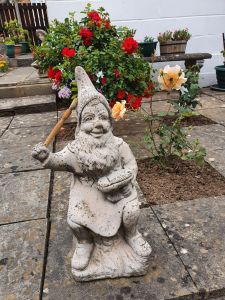
This ritual allowed her to reclaim control over her environment, ensuring that by morning, it felt like a fresh start. Each morning was a blank canvas, ready to be painted anew with the day’s adventures and tasks, and that in itself was a form of magic she cherished deeply.
Coping through Christmas
But this is where Christmas can be a dark place for people with dementia. Suddenly, the things they normally watch on TV aren’t on, instead replaced by Christmas films and TV specials that don’t hold the same familiarity or comfort. The cheerful decorations and festive music often create confusion rather than joy, amplifying an unsettling sense of loss and disorientation.
That in itself posed a problem with Nan, because every time she saw children in a festive film, she would suddenly go looking for her own, her heart filled with an unshakeable yearning. This ritual of searching, so often fruitless, left her feeling more isolated, as the laughter and cheer of the season contrasted sharply with her growing confusion and longing for familiar faces.
But it’s not just about the TV. When the world winds down for Christmas, what happens to those who need that strict structure in their lives?
Many of the people suffering from dementia are cared for by family members who often find themselves in a complex emotional landscape. These family members may have families of their own in which they want to spend Christmas with, creating a challenging tug-of-war between duty and personal desire.
While the holiday season brings joy and celebration, it also highlights the struggles of caretakers who feel an overwhelming sense of responsibility. They grapple with the reality that their loved ones with dementia require continuity and familiar routines to feel secure and comfortable.
But you can’t leave one person out just because they have a cruel and heart-breaking disease; this often leads to difficult choices, with caregivers striving to provide a sense of normality for their family member while also trying to honour their own family traditions and connections. The emotional weight of this situation can be profound, as the caregivers seek to strike a delicate balance between care for their loved ones and their own need for celebration and joy during this festive season.

So you bring them along for the festivities, hoping to create a memorable experience filled with joy and laughter. You might even adapt the day to cater for the additional needs, like we did with nan, ensuring that every detail is attended to, from the menu to comfortable seating arrangements.
However, as the hours pass, they soon tire, their energy waning amidst the hustle and bustle of the celebrations, and they long for the comfort of their own environment, where they feel safest and can truly relax. The familiar sights and sounds of home offer a sense of security that large gatherings often disrupt, reminding us that, sometimes, the best memories are made in the quiet corners of our lives rather than in the midst of lively festivities.
Christmas also poses another question. What do you buy someone that finds the world they live in confusing, other than some biscuits and chocolate?
I felt this struggle at the beginning too; however, after much contemplation, I realised that instead of focusing solely on fleeting pleasures, I could choose to gift items that would benefit nan in some meaningful way. Gifts that would carry practical value whilst still showing my thoughtfulness.
They might not be the most exciting gifts, in your opinion, but they will become a huge help for the year ahead, bringing comfort and joy during moments when she needs it most. After all, the true spirit of giving lies in thinking about the recipient’s needs and finding ways to support them through their journey, no matter how perplexing it may sometimes be.
So in memory of my dear nan, here is my gift guide for dementia sufferers…
Relish radio and music player
If your loved one is somebody that enjoys their music or listening to the radio but is now struggling to understand mainstream devices, then the Relish radio and music player would make the perfect gift this Christmas.
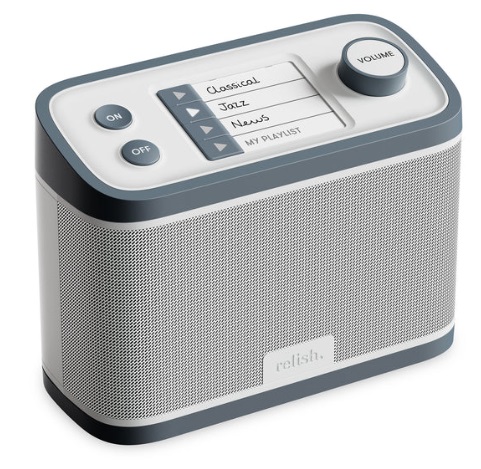
This innovative gadget is designed specifically for those who may have trouble navigating complex technology, allowing them to easily reconnect with their favourite tunes and stations. Its user-friendly interface, large buttons, and clear display make it accessible for anyone, ensuring that they can enjoy their cherished music without frustration.
Imagine the joy on their face as they effortlessly tune into old classics or discover new favourites, all while enhancing their daily routines with delightful melodies that bring back fond memories and create new ones. This thoughtful present not only shows how much you care but also revitalises their passion for music and connection to the world around them.
With three buttons to pre-set to their favourites, and a fourth for their own music, making it much easier for loved ones to find the stations or playlist they love. This thoughtful design ensures that even in moments of confusion, the audio experience remains within reach, offering comfort and joy.
Unique to the Relish radio, the top panel can be personalised to whatever makes perfect sense to the dementia sufferer. Whether it’s ‘60’s Jazz’, ‘Relaxing Music’, ‘News’ or maybe even ‘My favourites’, each channel can be named perfectly to make it easier to find and listen to the thing they love.
This level of customisation not only enhances accessibility but also fosters a deeper emotional connection, allowing users to engage with familiar tunes or informative content that can spark memories and conversations, thereby promoting a sense of belonging and happiness in their daily routine.
Jelly Drops water sweets

Jelly Drops are designed to supplement normal fluid intake – ideal for anyone who forgets to drink, doesn’t feel thirst, or just has a sweet tooth!
The idea behind Jelly Drops came when Lewis Hornby’s own grandmother Pat was admitted to hospital due to dehydration. Pat, who had dementia, spent 24 hours on IV fluids in hospital before thankfully making a full recovery. Lewis was left wondering how something so small could have a potentially life-threatening impact.
Lewis then spent a month in his grandmother’s care home, consulting with doctors, dementia specialists and speech and language therapists before developing the sweet you can see today.
Each pack contains 9 Jelly Drops, made of 95% water with much needed added electrolytes and vitamins, designed to keep you hydrated and revitalised throughout your day. They are made up of a solid texture, meaning whilst they don’t burst, they are easy to chew, providing a delightful and satisfying experience with every bite.
The great thing is they are sugar free and vegan, catering to a wide range of dietary preferences, and they don’t contain any laxative effect either. Current flavours available are peach, strawberry, raspberry, blackcurrant, orange, and lemon, each offering a burst of flavour that tantalises your taste buds. You can purchase them conveniently straight from their website, available to buy as a one-off purchase or as a subscription too, ensuring you never run out.
Playing cards holder
If your loved one is someone who has always enjoyed a good game of cards, but now maybe struggles to keep hold of them for the full length of the game, then this playing cards holder could be just the thing they need. Not only does it provide a stable and secure way to manage their cards, but it also allows them to fully engage in the social aspects of the game without feeling frustrated.
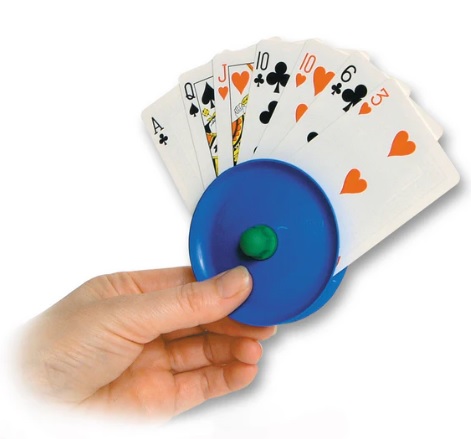
Ideal for use by people who have poor grip, or for small hands, the playing card holder consists of two plastic discs held together by a spring. This innovative design allows users to comfortably hold multiple cards without the constant struggle of fumbling or dropping them. Once sorted, the card holder will then grip the cards throughout the game, providing a secure hold that enhances gameplay by allowing players to focus on strategy rather than managing their hand.
With this playing card holder, everyone can enjoy their favourite card games without frustration, leading to longer and more enjoyable sessions filled with laughter and competition. Available as a single item or as a pack of four which is great if you need to give the illusion that the holder is part of the game pack.
Tactile Turn
One of the things that became very apparent early on after Nan’s diagnosis was that she couldn’t keep her hands still. It was as if a restless energy had taken over, compelling her to fiddle with something at all times. More often than not, it would be the zip on her handbag, a seemingly simple action that would become a constant source of distraction for me. I’ll admit, it used to drive me insane, the repetitiveness of the motion acting like a ticking clock in the background of our conversations.
Sometimes, I would find myself focusing more on that incessant zip than on what she was saying, unable to ignore the way her fingers would dance nervously over the fabric of her bag. It felt like a manifestation of her anxiety, a physical expression of the emotions she could no longer articulate, and while I tried to be patient and understanding, I often wondered if there was a way to help her find solace amidst her agitation.

If your loved one is the same, this Tactile Turn could make the perfect gift, providing not just a physical object, but also an emotional anchor. This folding fabric soft ring is expertly designed to help hands keep busy and relaxed, promoting a sense of calm in moments of anxiety or stress, whilst providing comfort. The nature of the Tactile Turn encourages fidgeting, which can be particularly beneficial for those who find it challenging to focus or need an outlet for nervous energy.
Additionally, the Tactile Turn can help with stress and reassurance, allowing users to ground themselves in the present moment. It serves as a gentle reminder of self-care, assisting with difficulty sleeping by promoting relaxation and peace of mind, and of course, offering immense comfort during challenging times. This thoughtful gift could truly enhance the well-being of your loved one as they navigate through their day-to-day experiences.
As a side note, if your loved one gets used to using this within their own home as part of their daily routine, when you have to go out with them, somewhere where they might get stressed, take this along and it may just help keep them calm. Like a little piece of home with them and a great distraction too! This can be particularly beneficial in environments that may feel overwhelming or unfamiliar, as it provides a sense of security and comfort.
Precious Petzzz Dog
How adorable is the cute and loveable “breathing” dog? As a child, I had something very similar and loved it dearly. I actually gave it to my nan a few years ago, and I found that it really helped her relax during those tough days. The gentle, rhythmic ‘breathing’ motion brought a sense of calm that was truly comforting for her. She loved nothing more than stroking it whilst it was on her lap, feeling the warmth and soft fur under her fingertips, which reminded her of the joy of having a pet.
Witnessing nan smile as she interacted with it was heart-warming, and I know it would make a great gift this Christmas, not just for the sake of nostalgia, but as a means to bring joy and tranquillity into the lives of those we cherish. The simple act of companionship that this “breathing” dog provides can truly make a difference in someone’s day-to-day life, ensuring that they always have a comforting presence by their side.
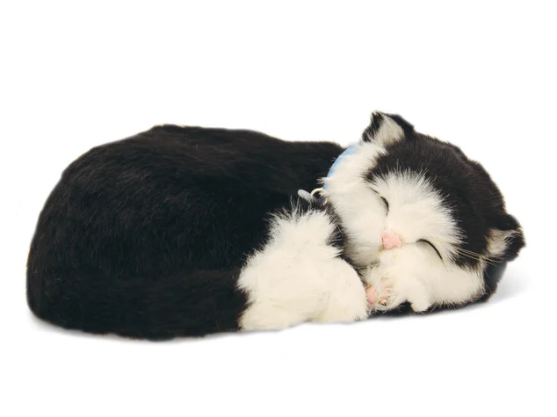
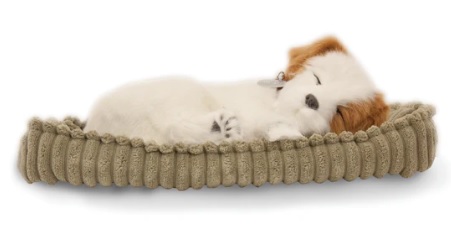
Available in various breeds of dogs and cats, these adorable Precious Petzzz arrive snuggled up on their luxury bed, presented in an attractive gift box that enhances the overall experience of bringing them home.
Each package is complete with a certificate of adoption, making it a thoughtful gift for any animal lover. This friendly animal will not only captivate pet enthusiasts but also promote a calming and relaxing atmosphere in any space. The meticulously designed features of these plush companions offer comfort and companionship, perfect for enhancing your home decor or providing solace during stressful times.
Personalised photobook
A personalised photobook is something I did for nan a few years ago, and I’d highly recommend giving it as a gift to someone suffering from the devastating effects of dementia. These thoughtful creations can serve as a meaningful way to rekindle precious memories and foster connections with loved ones. They are actually quite simple to put together, allowing you to engage in a heartfelt project that showcases shared experiences.
All you need to do is choose a reputable company that specialises in photobooks, carefully select the photos that resonate the most with the recipient, and then add them to your project area. Consider incorporating captions that highlight key moments, feelings, or anecdotes, which can enhance the emotional value of the book. Once you’ve finalised your design, proceed to checkout, and they will handle the rest, ensuring that your creation is beautifully printed and bound, ready to bring joy and comfort to someone navigating the complexities of memory loss.
I’d highly recommend adding captions to your photos because they can become a great talking point for you both. When I created Nan’s photobook, I included little details like the names of anybody in the photos as well as a short description of where we were or what was happening at that moment. Captions not only enhance the storytelling aspect of the album, but they also evoke memories that might otherwise fade with time. On a couple of them I also included a funny moment that happened that day, which sparked laughter whenever we flipped through the pages. These fun anecdotes make each photo come alive, allowing us to relive the joy and connection we shared during those unforgettable experiences.
I lost count of the times I’d go to see nan, and she would be sat flicking through the book, her fingers gently traced the worn pages as memories came flooding back. The way she would smile at certain photos, her eyes lighting up with nostalgia, always made me feel warm inside. It was a precious ritual, one that connected us through the stories captured within those images.
Alternatively, if you don’t feel confident enough to create one online, a photo album or scrapbook would also make a lovely gift for anyone, filled with carefully chosen images and heartfelt notes that could evoke a sense of belonging and appreciation, allowing the recipient to share in the heartfelt reminiscence just like I did with my nan.
Forget-me-not seedball box
If you have got this far, thank you for reading. I’ll admit that it has taken me several attempts at writing to get to this point, each one filled with its own challenges and emotions.
Grief is definitely one of those things that is still very much a huge part of my life right now, seeping into my daily routine and influencing my thoughts and actions in ways I sometimes struggle to understand. It’s a journey that feels never-ending, marked by moments of both intense sadness and surprising joy, as I navigate through memories that flash before me like old photographs, reminding me of what once was and how deeply I loved.
Each step forward feels like a delicate dance between holding on and letting go, and through this experience, I’ve come to learn more about myself and the intricate tapestry of human emotions that connect us all.
I first wrote about dementia as a guest post in which I wrote about grieving for someone twice. In that post, I explained how I was grieving for the person my nan was, as this cruel disease took hold of her, slowly erasing her memories and personality, leaving behind a shell of the vibrant woman I once knew. With each passing day, I witnessed her struggle, and it felt like losing her bit by bit. I then went on to explain how I’d end up grieving again when she eventually passed, acknowledging the heavy weight of dual loss that loomed over me, as I mourned both the gradual departure of her essence and the inevitable final farewell that would come. This complex emotion left me reflecting on the nature of love and loss, intertwining the joy of memories with the deep sadness of impending grief.
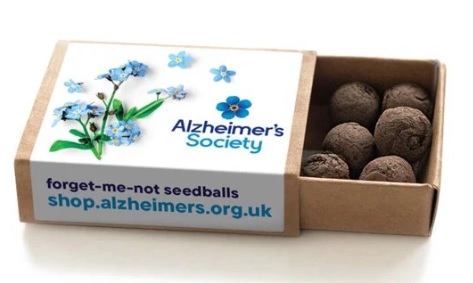
I know many of you are reading this because your lives have also been touched by dementia in some way. This is why I wanted to include these forget-me-not seedballs within this gift guide, as they symbolise love, remembrance, and the continuing bond we share with those affected by this challenging condition. No matter what stage of the journey you and your loved one are on, whether you are just starting to navigate the complexities of dementia or have been on this path for some time, I believe these seedballs would make a lovely gift. They serve as a gentle reminder of the cherished moments and the enduring connections that define our relationships. Each flower that blooms from these seeds can represent a fragment of our loved ones’ stories, allowing us to cultivate not just a garden but a beautiful tribute to their legacy.
Whether it’s as a simple activity that you can do together, nurturing and cherishing the moment, and then bringing about heartfelt conversations as you watch these beautiful flowers bloom and flourish under your care. If you are further in your journey or maybe grieving, this is a great way of remembering loved ones, creating a living tribute that honors their memory while also providing a sense of solace and peace. Gardening can serve as a therapeutic outlet, allowing you to reflect on your thoughts and emotions, and offering a comforting routine that brings nature into your life, fostering a deeper connection with both the earth and your cherished memories.
This set is a lovely matchbox containing forget-me-not seeds, which are not only a beautiful and sentimental way to remember a loved one or a cherished occasion, but they also provide a wonderful opportunity for a delightful activity for you both to engage in together. Imagine the joy of watching these lovely flowers bloom as you reminisce about the moments that brought you closer.
These charming little matchboxes could also make brilliant wedding favours for your big day, allowing your guests to take home a piece of your celebration and nurture their own forget-me-nots, making each bloom a lasting reminder of the love you shared on this special occasion or as a simple gesture to remember those who could not be there to help you celebrate.
These forget-me-not seeds are held in clay, peat-free compost (to naturally protect the seeds from being eaten by birds and insects) and chilli powder (to deter slugs and snails from eating the young shoots).
Best planted in spring or summer, the seeds will germinate with water. Shoots can be seen within 2-4 weeks, but will also bloom the following year.
Support people with dementia
You might be reading this post because you are one of my loyal supporters or perhaps you have just stumbled on this post. Either way, we can all do our bit to support people living with dementia this Christmas. There are some beautiful Christmas cards available as well as other Christmas related items, that when bought, helps to fund the valuable work that Alzheimer’s Society do.
If you still have people to buy for this Christmas, there are also some lovely gifts for anybody that when bought, raise vital funds. Of course if you would rather make a donation, this would be welcome too.
Take part in Elf Day
People all around the UK will be taking part in Elf Day, dressing up as elves to raise both money and awareness for Alzheimers Society.

The easiest way to fundraise for Elf Day is to dress up, which can be as simple as wearing a festive jumper and donning an elf hat. But that’s not the only way you can take part! There’s also plenty of games and fundraising ideas in the fundraising pack to help you get started.
So why not get your whole workplace, school or community involved and not only get into the Christmas spirit by doing something fun, but help support those living with dementia. Money raised will also help research so that one day, dementia could be a thing of the past.
Final Thoughts
Buying gifts for loved ones can be difficult at the best of times, but when the person is suffering from dementia, it can be even more difficult. Understanding their unique needs and preferences becomes essential, as many traditional gift ideas may not resonate with them anymore. I hope my Ultimate Gift Guide for Loved Ones with Dementia has given you some inspirations, focusing on meaningful items that can spark joy and promote engagement. Exploring sensory-rich gifts, personalised keepsakes, or interactive activities can lead to delightful surprises, and maybe ideas that you hadn’t even thought about will emerge, helping you create lasting memories together.
Of course, just because someone is suffering from dementia doesn’t mean they won’t still enjoy a nice box of biscuits or some luxury chocolates. Gifts you have bought in the past, such as cosy pyjamas, are still a great idea and can bring comfort and warmth during chilly nights. However, you might be looking for gifts that can also benefit them on their journey, enhancing their daily experiences and providing a sense of familiarity and joy. Engaging activities, like puzzles designed for cognitive stimulation are still excellent options to consider. I hope this post gives you those insightful ideas and helps you choose thoughtful gifts that show your love and support in a way that they can truly appreciate.

No matter where you and your loved one are on this journey, please know that there is support out there, and it can come in many forms. Whether you seek professional help, belonging to support groups, or finding solace in talking with friends, there are numerous avenues available to you. There are also people that are in similar situations as you, who might be able to connect with for advice, share their experiences, or simply provide a listening ear.
Connecting with others can often illuminate new paths and offer understanding during tough times. Additionally, reaching out to online communities can broaden your support network, introducing you to a wider array of perspectives and encouragement. Remember, you are not alone in this; there are many willing to help and stand alongside you.
My thoughts are with you all this festive season as you navigate this difficult path, and I hope you find moments of joy and peace amidst the challenges. It’s a time that can evoke mixed emotions, but know that the support of loved ones can provide strength. Embrace the small victories and cherish the memories that bring comfort during this time, as they can light the way forward and remind you of the love that surrounds you.
If you would like to know more about spotting the early signs of dementia, please check out my post I wrote a couple of years ago.
 The Kelly Diane Report
3 responses to “Your Ultimate Gift Guide for Loved Ones with Dementia”
[…] understanding in our communities. The more people that know about these early signs, the more lives we can improve, as we can foster environments where individuals feel supported and empowered to seek help when they […]
LikeLike
My Nan has dementia and the clinic she goes to recommended something similar to Precious Petzzz. I think I may need to buy her one for Christmas as she loves animals and misses having a pet! x
Lucy | http://www.lucymary.co.uk
LikeLike
I absolutely loved this, so informative and clearly written from the heart too. I am going to get one of the card holders, I have a neurological disease and when we play cards I struggle a bit so this will be fab for my family holiday card games. Zoë x
LikeLike