

There’s something about spring that makes me want to throw every window open and start again.
Not in a dramatic, rip-everything-out kind of way.
Just a gentle reset.

After months of muddy shoes, heavy coats, dark evenings and clutter slowly creeping in, spring feels like permission to lighten everything — the house, the routines, even my mindset.
But here’s the thing.
I don’t do huge, overwhelming spring cleans.
I don’t empty every cupboard at once.
I don’t follow rigid 30-day challenges.
And I definitely don’t spend an entire weekend scrubbing skirting boards while ignoring everything else.
Instead, I organise my home in a way that actually works for family life.
Calm.
Manageable.
Repeatable.
If you’re craving a stress-free spring but don’t want to exhaust yourself getting there, here’s exactly how I organise my home — step by step.
I Start With a Mindset Shift (Not a Cleaning Spree)
Before I touch a cupboard, I reset my expectations.
Spring organisation isn’t about perfection.
It’s about breathing space.
My goal is always:
- Less visual clutter
- Easier daily routines
- A home that feels lighter
Not showroom ready.
Not Instagram perfect.
Just functional and calm.
Once I remind myself of that, everything feels more achievable.
Step 1: I Do a Whole-House “Visual Reset”
Instead of diving into drawers, I walk through each room and look at it properly.
I ask myself:
- What feels heavy?
- What feels messy?
- What feels unnecessary?
Often, it’s not about deep cleaning at all.
It’s about:
- Removing winter blankets
- Putting away extra candles
- Clearing surfaces that have become dumping grounds
This alone can transform a space in under an hour.
Spring organisation starts with what you can see.
Step 2: I Switch Over Seasonal Items
One of the biggest shifts in my home each spring is seasonal rotation.
Away goes:
- Thick throws
- Dark cushion covers
- Heavy coats
- Winter boots
In comes:
- Lighter bedding
- Fresh pyjamas
- Spring jackets
- Brighter colours
This simple swap makes everything feel intentional again.
I store winter items in labelled storage boxes so they’re easy to access next year — no rummaging required.
And with children, this step is especially important. Outgrown winter clothes get sorted immediately rather than shoved back into drawers.
Step 3: The 15-Minute Declutter Rule
Decluttering can easily become overwhelming.
So I don’t try to do it all at once.
Instead, I use a 15-minute rule.
One drawer.
One shelf.
One basket.
That’s it.
I set a timer and work quickly:
- Keep
- Donate
- Bin
- Relocate
When the timer ends, I stop.
Some days I only manage one small space — but over two weeks, it adds up massively.
Consistency beats intensity every time.
Step 4: Resetting the Entryway (The Hidden Stress Trigger)
If there’s one area that impacts daily stress levels, it’s the entryway.
Shoes everywhere.
Bags dumped.
Coats piled high.
In spring, I reset this space completely.
I:
- Remove winter accessories (hats, gloves, scarves)
- Limit visible shoes to everyday pairs only
- Empty and reorganise bags
- Wipe down baskets and hooks
I also reassign space.
If something isn’t working, I change it rather than forcing it.
A calm entrance = calmer mornings.
Step 5: Wardrobe Edits (Without the Drama)
Spring wardrobe sorting used to mean pulling everything out onto the bed.
Now? Absolutely not.
Instead, I:
- Remove obvious winter-only pieces
- Try on anything I avoided wearing
- Ask: Would I buy this again today?
For children’s wardrobes, I:
- Remove anything too small
- Create a “next size up” storage box
- Build simple outfit combinations that make mornings easier
This also helps me identify gaps before I buy unnecessarily.
Organisation saves money.
Step 6: Kitchen Simplification
After winter baking and comfort food season, kitchens tend to feel full.
So I focus on:
- Clearing worktops
- Checking expiry dates
- Reducing duplicate utensils
- Cleaning out the fridge properly
I don’t reorganise the entire kitchen.
I just simplify it.
Spring meals are lighter — salads, fresh fruit, easy lunches — so I adjust what’s accessible accordingly.
The easier the kitchen flows, the less chaotic evenings feel.
Step 7: A Toy Reset (Without a Full Clear-Out)
If you have children, you’ll understand how quickly toys multiply.
Spring is my time for a gentle toy reset.
I:
- Remove broken items
- Rotate less-used toys into storage
- Reorganise baskets by type
- Clear out party bag fillers that have lingered
The trick isn’t removing everything.
It’s reducing visual overwhelm.
Often, children play better when they can actually see what they have.
Step 8: Paperwork & Digital Declutter
This one gets overlooked — but it makes a huge difference.
I spend one focused session:
- Filing important paperwork
- Recycling old letters
- Clearing my toddlers letters that are no longer needed
- Sorting warranty documents
Then I move digitally:
- Deleting unnecessary photos
- Clearing email inboxes
- Updating passwords
- Backing up important files
Mental clutter often lives digitally.
Clearing it feels incredibly freeing.
Step 9: Deep Cleaning What Actually Matters
I don’t deep clean everything.
I prioritise high-impact areas:
- Windows (inside only — realistic!)
- Skirting boards in main rooms
- Bathroom grout
- Light switches and door handles
These small details lift a home without requiring a full-scale overhaul.
Step 10: Creating Systems That Last Beyond Spring
The key to a stress-free spring isn’t just cleaning.
It’s putting systems in place.
For example:
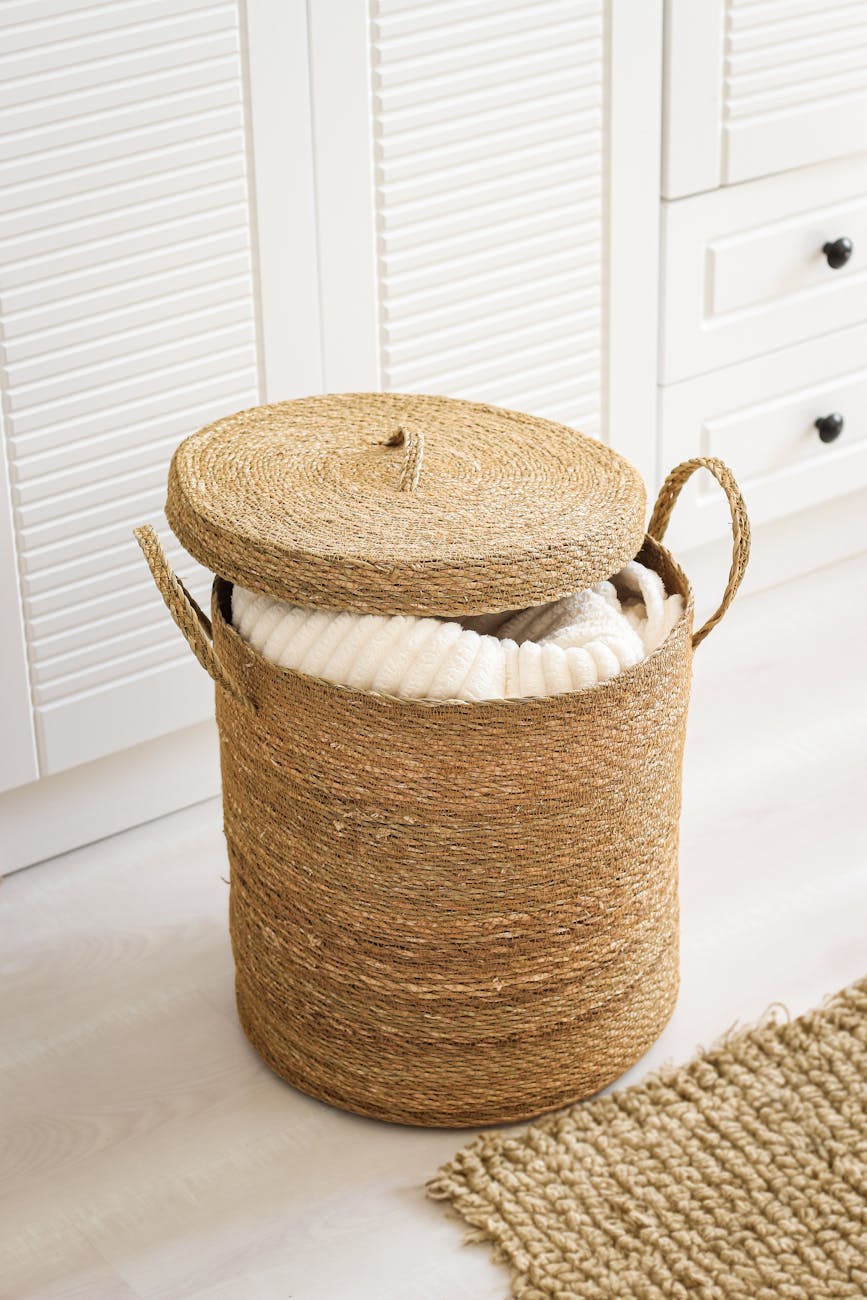
- A laundry basket in every bedroom
- A donation bag permanently in the wardrobe
- A weekly reset routine on Sundays
- A 10-minute nightly tidy
Spring gives me the motivation to set these up.
But they carry me through summer and beyond.
How I Keep It Stress-Free
Here’s what I don’t do:
- I don’t pressure myself to finish in a weekend.
- I don’t compare my home to anyone else’s.
- I don’t throw everything away in a decluttering frenzy.
- I don’t buy endless storage solutions before reducing clutter.
Instead, I focus on:
✔ Progress over perfection
✔ Small wins
✔ Realistic timelines
✔ Family involvement
Even toddlers can help wipe surfaces or sort socks. It doesn’t need to be done alone.
The Emotional Side of Spring Organisation
There’s something deeper about organising in spring.
It feels symbolic.
You’re not just clearing cupboards.
You’re making room.
Room for:
- Lighter evenings
- Spontaneous garden play
- Open windows
- Slower mornings
When my home feels lighter, I feel lighter.
Less snappy.
Less overwhelmed.
More present.
And that’s really the goal.
My Realistic Spring Organisation Checklist
If you want something practical to follow, here’s my simplified version:
Week 1:
- Visual reset of main living areas
- Entryway declutter
- Seasonal clothing swap
Week 2:
- Kitchen refresh
- Toy rotation
- Bathroom clean
Week 3:
- Wardrobe edit
- Paperwork sort
- Digital declutter
Week 4:
- Deep clean key areas
- Set up new routines
- Final donation drop-off
Spread over a month, it feels manageable.
Why This Works for Family Life
Because it’s gentle.
Because it’s realistic.
Because it fits around:
- School runs
- Work
- Toddler naps
- Everyday life
Spring organisation shouldn’t drain you.
It should energise you.
Final Thoughts: A Home That Supports You
A stress-free spring doesn’t come from a spotless house.
It comes from a home that works with you, not against you.
One where:
- You can find what you need.
- Mornings aren’t chaotic.
- Evenings feel calm.
- Surfaces aren’t shouting for attention.
You don’t need to overhaul everything.
Just start small.
One drawer.
One shelf.
One room at a time.
Open the windows.
Let the fresh air in.
And allow your home to shift with the season.
Spring isn’t about doing more.
It’s about making space for what matters.
 The Kelly Diane Report
2 responses to “How I Organise My Home for a Stress-Free Spring (Simple, Realistic & Family-Friendly)”
One thing I need to do is start a spring delcutter. This post has given me the motivation to do that!
Lucy | http://www.lucymary.co.uk
LikeLike
I love your concept of a gentle spring clean/declutter, consistency is definitely more important than intensity – something I definitely struggle with! I reorganised my tops and bottoms drawers yesterday, now to tackle my wardrobe where I am guilty of just throwing random things at the bottom 🙈💜
LikeLike