
If there’s one thing I’ve learned as a mum, it’s this:
You don’t need a house full of toys or a perfectly planned schedule to keep a toddler entertained.
In fact, the more complicated the activity… the quicker it tends to fall apart. Toddlers don’t need perfection. They need simple. They need engaging. And most importantly — they need things that actually work in real life. Because let’s be honest, some days you just need something that will keep them busy long enough to drink your tea while it’s still hot.
Whether it’s a rainy afternoon, a slow morning at home, or you just need a reset without leaving the house, these are my go-to fun, low-stress toddler activities that are easy to set up and genuinely enjoyable. No pressure. No Pinterest overwhelm. Just real-life ideas.
Why Simple Activities Work Best for Toddlers
Before we jump into ideas, it’s worth remembering, toddlers thrive on:
- Repetition
- Familiarity
- Sensory play
- Movement
- Attention (even in small doses)
They don’t need elaborate setups or expensive resources. Often, the simplest activities hold their attention the longest.
1. Water Play (The Ultimate Winner)
If in doubt — add water. Fill a bowl, tray or even the sink with:
- Cups
- Spoons
- Plastic toys
- Small containers
That’s it. You can do this:
- In the kitchen
- In the bath
- Outside on warmer days
It keeps them busy, it’s calming, and it taps straight into sensory play.
Top tip: Put a towel down and don’t stress about the mess.
2. The “Treasure Basket”
This is one of those activities that feels almost too easy. Grab a basket and fill it with random household items:
- Wooden spoons
- Silicone brushes
- Measuring cups
- Safe kitchen tools
Toddlers love exploring “real” objects far more than toys sometimes. Rotate items every few days to keep it interesting.
3. Cushion Obstacle Course
Perfect for burning off energy indoors. Use:
- Sofa cushions
- Blankets
- Chairs
Create:
- Jumping spots
- Crawling tunnels
- Balancing areas
It doesn’t need to be structured — just let them explore.
Bonus: It helps with coordination and confidence.
4. Sticker Play (Low Effort, High Engagement)
Give a toddler a sheet of stickers and a surface…
You’ve bought yourself time. Use:
- Paper
- Cardboard boxes
- Old notebooks
Peeling and sticking is great for fine motor skills — and it keeps them focused.
5. Snack Time Picnic
Turn snack time into an activity. Lay out:
- A blanket on the floor
- A few snacks
- Their favourite cup
Even if it’s the same food as usual, changing the setting makes it exciting.
6. Drawing & Colouring (Without the Pressure)
You don’t need structured crafts. Just:
- Paper
- Crayons
- Chalk
Let them scribble. Let it be messy. It’s about expression, not outcomes.
7. Toy Rotation (Feels Like New Without Buying More)
Instead of having everything out, rotate toys. Put some away for a week or two, then bring them back out. To a toddler, it feels brand new. This keeps things fresh without spending anything.
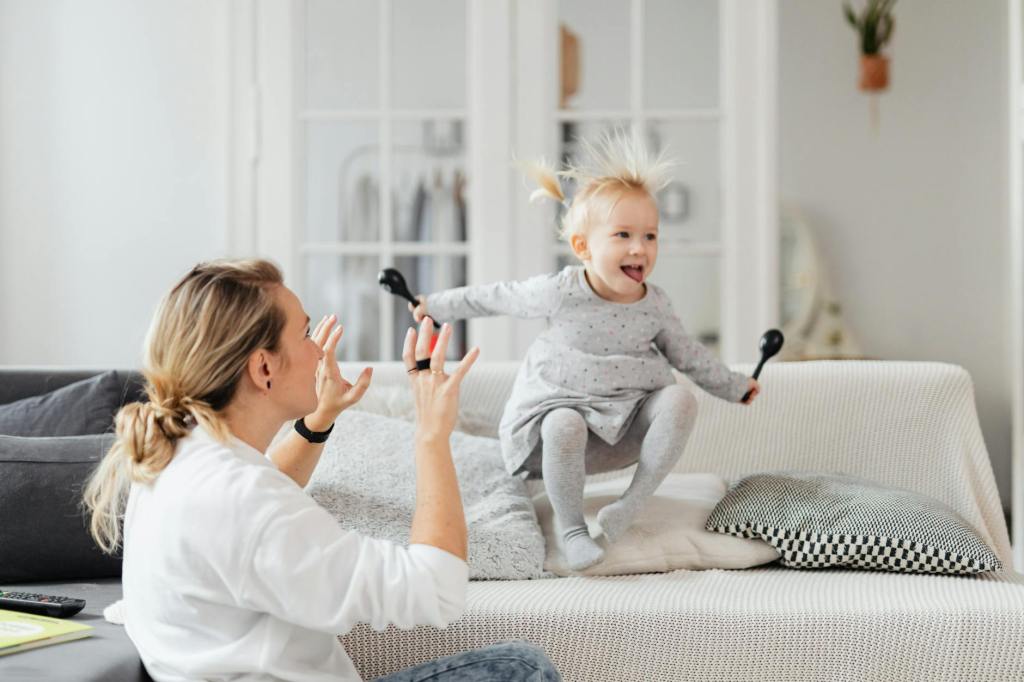
8. Music & Dance Time
This is one of the easiest mood boosters — for both of you. Put music on and:
- Dance around
- Clap along
- Use scarves or tea towels
No structure needed. Just movement and fun.
9. Reading Together (Even Briefly Counts)
Toddlers don’t always sit still for long — and that’s okay. Even:
- One book
- A few pages
- Pointing at pictures
It all counts. Make it relaxed, not forced.
10. “Helping” With Everyday Tasks
Toddlers love feeling involved. Let them:
- Wipe surfaces
- Put clothes in the washing machine
- Carry (safe) items
- Help unpack shopping
It might take longer — but it keeps them engaged. And it builds independence.
11. Sensory Bins (Simple Versions)
You don’t need elaborate setups. Try:
- Dry pasta
- Rice
- Oats
Add:
- Cups
- Scoops
- Small toys
Supervise closely — but it’s a great calming activity.
12. Bubble Fun
Bubbles are pure magic for toddlers. Use them:
- Indoors (carefully!)
- In the garden
- At bath time
Simple. Effective. Always exciting.
13. Cardboard Box Play
Never underestimate a box. It can become:
- A car
- A house
- A tunnel
- A drawing surface
Add crayons or stickers and let their imagination take over.
14. Soft Toy Play
Even at a young age, toddlers enjoy simple pretend play. Try:
- Feeding a teddy
- Putting toys to bed
- Pushing them in a toy pram
It’s the early stages of imaginative play — and it’s lovely to watch.
15. Window Watching
This one is underrated. Sit together and:
- Watch cars go by
- Spot birds
- Talk about the weather
It’s calm, grounding, and surprisingly engaging.
16. Bath Time (Even Outside Routine)
Baths don’t have to be just for bedtime. A daytime bath can:
- Reset a tricky mood
- Fill time
- Feel like a treat
Add:
- Cups
- Toys
- Bubbles
It’s basically water play with less mess.
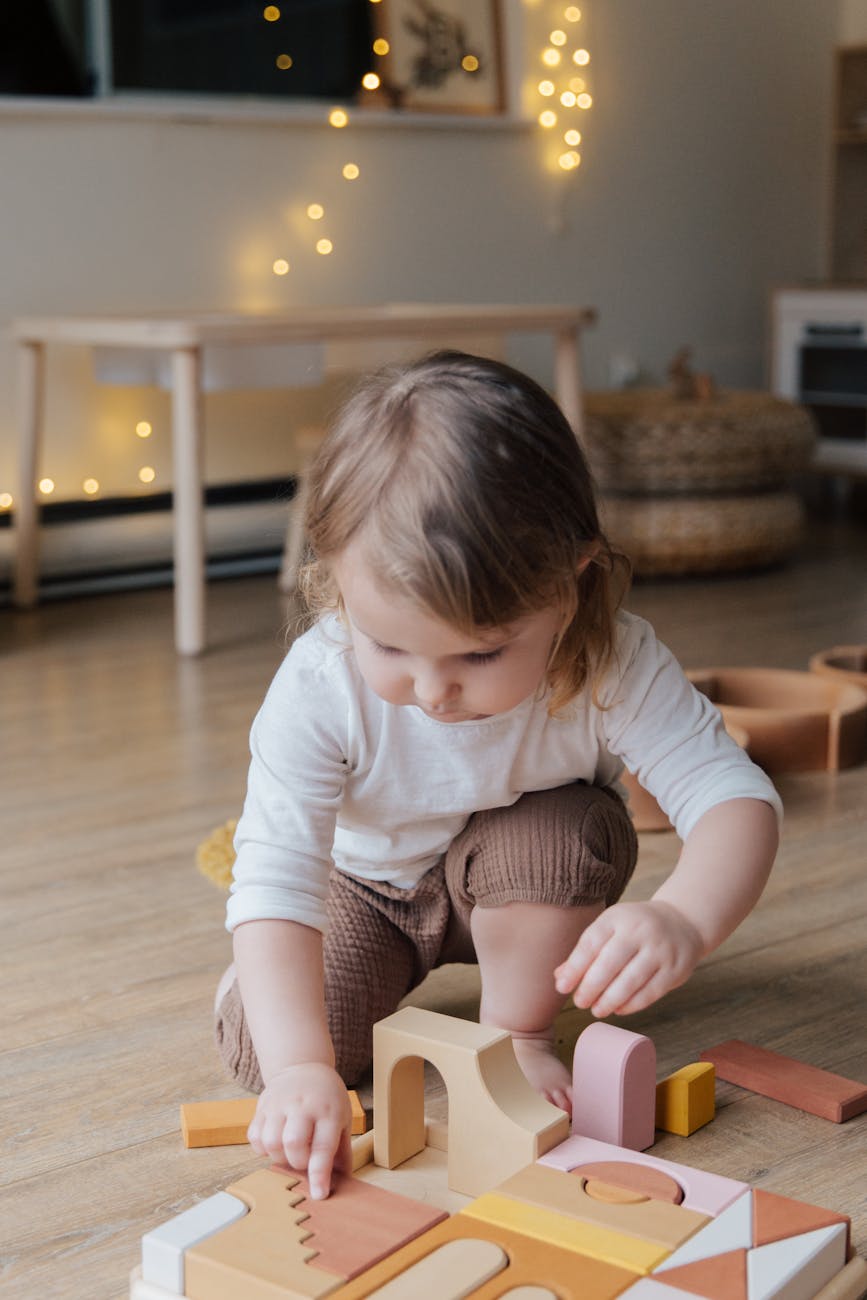
17. Simple Puzzles
Age-appropriate puzzles are great for:
- Focus
- Problem-solving
- Quiet play
Start small and build up gradually.
18. Hide & Seek (Toddler Style)
Keep it simple. Hide:
- A toy
- Yourself (badly!)
- Objects under a cloth
They’ll love the anticipation.
19. TV Time (With Intention)
Let’s be real — sometimes you need it. And that’s okay. Use it:
- When you need a break
- When you’re cooking
- When energy is low
It doesn’t have to be guilt-filled. Balance is what matters.
20. Just Sit Together
Not every moment needs filling. Sometimes, the best thing you can do is:
- Sit on the floor
- Be present
- Let them lead
Toddlers don’t always need activities. They just need you nearby.
How to Keep It Low-Stress (The Key Part)
The activities themselves are only half of it. What makes them work is your mindset.
- Keep expectations low
- Not every activity will last long.
- Follow their lead
- If they lose interest, move on.
- Don’t aim for perfection
- Mess happens. Plans change.
- Repeat what works
- Toddlers love repetition.
A Simple Daily Rhythm (If You Need Structure)
If your days feel a bit chaotic, try a loose flow:
Morning:
Active play (obstacle course, dancing)
Midday:
Snack + quieter activity (stickers, books)
Afternoon:
Sensory play or water play
Late afternoon:
Calm activity or TV
It’s not strict — just a guide.
Final Thoughts: It Doesn’t Need to Be Complicated
Keeping a toddler entertained at home doesn’t require:
- Fancy setups
- Expensive toys
- Hours of planning
It’s about:
- Simple ideas
- Small moments
- Letting go of pressure
Some days will feel long. Some activities will last two minutes. Some will surprise you and last twenty.
But all of it counts.
Because at the end of the day, what your toddler really needs isn’t constant entertainment. It’s connection, curiosity, and a space where they feel safe to explore.
And that?
You’re already giving them.

