
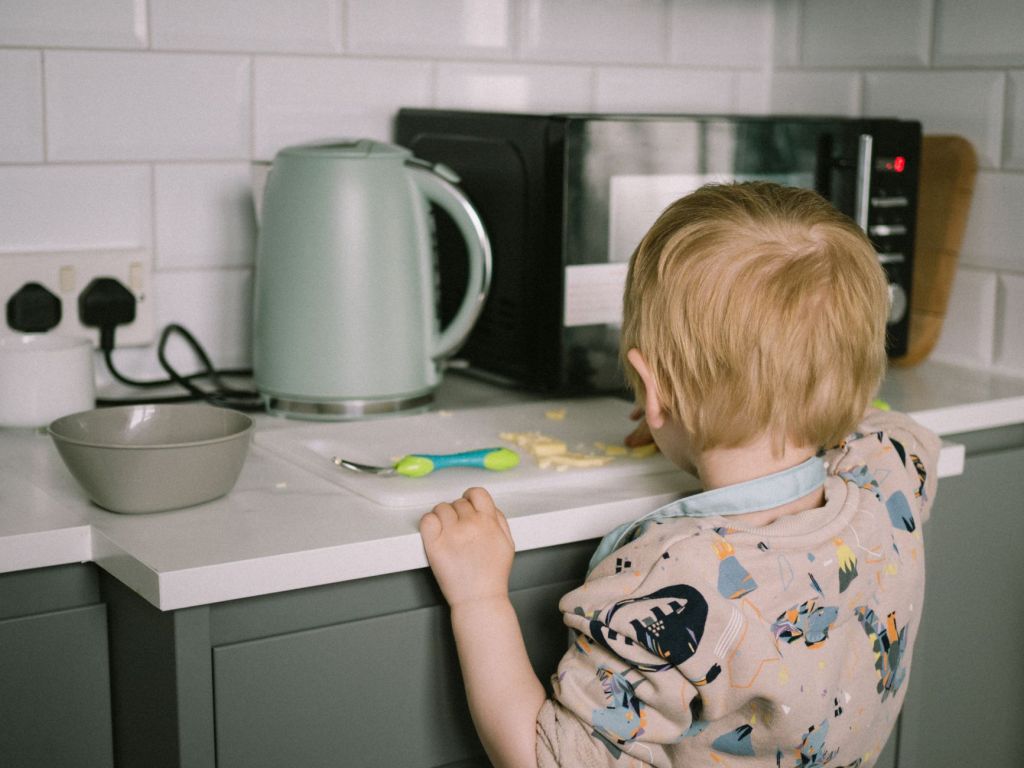
There’s a lot of content out there about toddler routines that look calm, structured, and perfectly planned.
And while that might work for some people, for most of us, real life doesn’t look like that.
Toddlers are unpredictable. Some days go smoothly, others feel completely chaotic. Sleep changes, moods shift, plans go out the window, and suddenly that “perfect routine” just doesn’t exist.
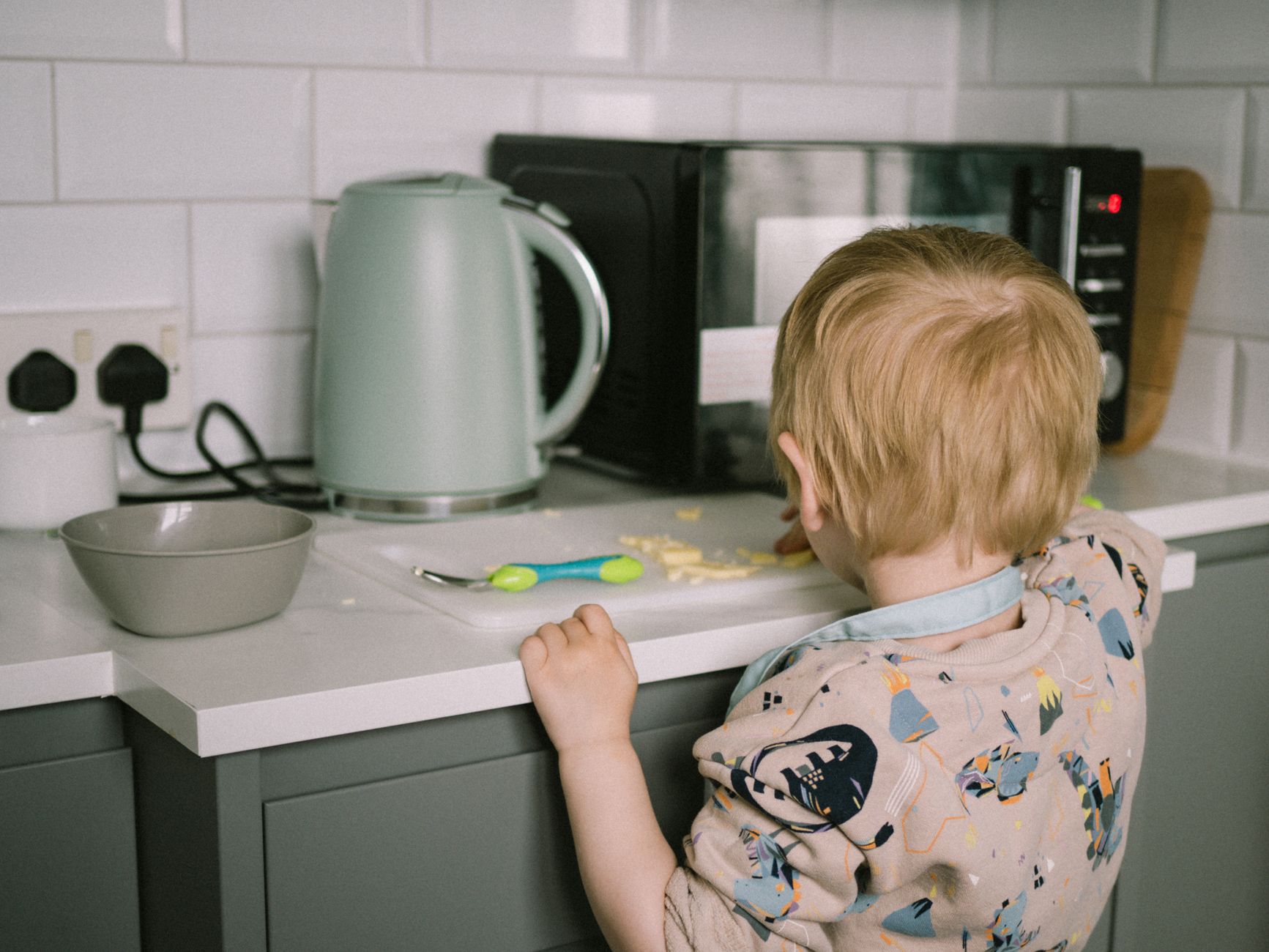
Over time, I’ve stopped trying to follow a strict schedule and instead found a rhythm that actually works. Something flexible, simple, and realistic enough to fit around everyday life.
This isn’t about doing everything right. It’s about having a structure that makes the day feel easier.
Starting the Day (Before Everything Begins)
If I can, I try to get up before my toddler.
Not always, and definitely not perfectly, but even 20–30 minutes makes a difference.
Sometimes I’ll:
- Have a quiet coffee
- Do a bit of work
- Tidy up from the night before
Other times, I just sit in silence for a bit.
It’s less about being productive and more about having a moment to myself before the day starts properly.
And if it doesn’t happen, that’s fine too.
Morning Time (The Busiest Part of the Day)
Once my toddler is up, everything speeds up quickly.
Mornings are rarely calm, so instead of trying to make them perfect, I focus on a few simple things:
- Getting us both dressed
- Opening windows and letting fresh air in
- A quick tidy of the main space
Breakfast is always something easy. Nothing complicated, just something that gets us going.
I’ve found that lowering expectations here makes a big difference. It doesn’t need to be slow or peaceful, it just needs to work.
Mid-Morning (The Best Time to Get Out)
This is usually the easiest part of the day.
Energy levels are good, moods are better, and it’s the best time to get out of the house.
Most days, this looks like something simple:
- A walk
- The park
- Playing in the garden
- A quick trip to the shops
Nothing big or overplanned.
Just something to break up the day and let my toddler burn off some energy.
Lunchtime (Keep It Simple)
By the time lunch comes around, I don’t overthink it.
Simple, quick meals work best:
- Sandwiches
- Pasta
- Bits and pieces
There’s no pressure to make anything complicated.
The goal is just to get everyone fed without adding stress.
Early Afternoon (Reset Time)
This is usually where the day slows down a bit.
If there’s a nap, this is when it happens. And instead of trying to fill that time with as much as possible, I’ve learnt to be realistic.
Sometimes I’ll:
- Do a bit of housework
- Catch up on work
Other times, I’ll sit down and take a break.
It depends on the day, and I try not to put pressure on myself to always be productive.
If there’s no nap, this becomes quieter time instead. Books, calm play, or just a slower pace.
Late Afternoon (The Trickier Part)
This is often when things start to dip.
Energy levels drop, patience runs thin, and everything can feel a bit harder.
This is where I keep things very simple:
- Easy activities
- Snacks
- Maybe a bit of screen time
It’s not about doing more, it’s about getting through this part of the day without everything becoming overwhelming.

Evening Routine (Keep It Predictable)
Evenings are one of the few parts of the day where I try to keep things consistent.
Not strict, just predictable.
Dinner is always something quick and realistic. I don’t aim for anything fancy, especially by this point in the day.
After that, it’s:
- Bath (if needed)
- Pyjamas
- Wind down time
- Bed
Having a familiar routine here helps signal that the day is ending, which makes bedtime that bit easier.
Evenings for Me (When Possible)
Once my toddler is asleep, I try not to jump straight into doing more.
There’s always something that could be done, but I’ve learnt that rest matters too.
Some evenings I’ll:
- Watch something
- Sit down properly
- Do something for myself, like read a few chapters of a book
Other evenings, I’ll catch up on work or jobs around the house.
It depends on the day, but I don’t expect myself to do everything.
What Makes This Routine Work
The biggest difference has been letting go of the idea of a “perfect” routine.
This works because it’s:
- Flexible
- Simple
- Built around real life
There’s structure, but there’s also room for things to change.
If we have a day at home, it works. If we’re out all day, it still works.
It adapts rather than falls apart.
The Reality of Life With a Toddler
Not every day will follow this routine.
There will be:
- Tantrums
- Mess
- Plans that don’t happen
And that’s normal.
Having a routine doesn’t mean everything runs smoothly. It just gives you something to come back to when things feel a bit all over the place.
Why Simple Always Wins
The more complicated a routine is, the harder it is to stick to.
Keeping things simple makes everything easier:
- Fewer decisions
- Less pressure
- More flexibility
And that’s what makes it sustainable.
Final Thoughts
A realistic daily routine with a toddler isn’t about getting everything right.
It’s about finding a flow that works for you and your family.
Some days will feel easy, others won’t. Some days will follow the routine, others will look completely different.
And all of that is okay.
Because at the end of the day, it’s not about having a perfect routine. It’s about having one that actually works.

