
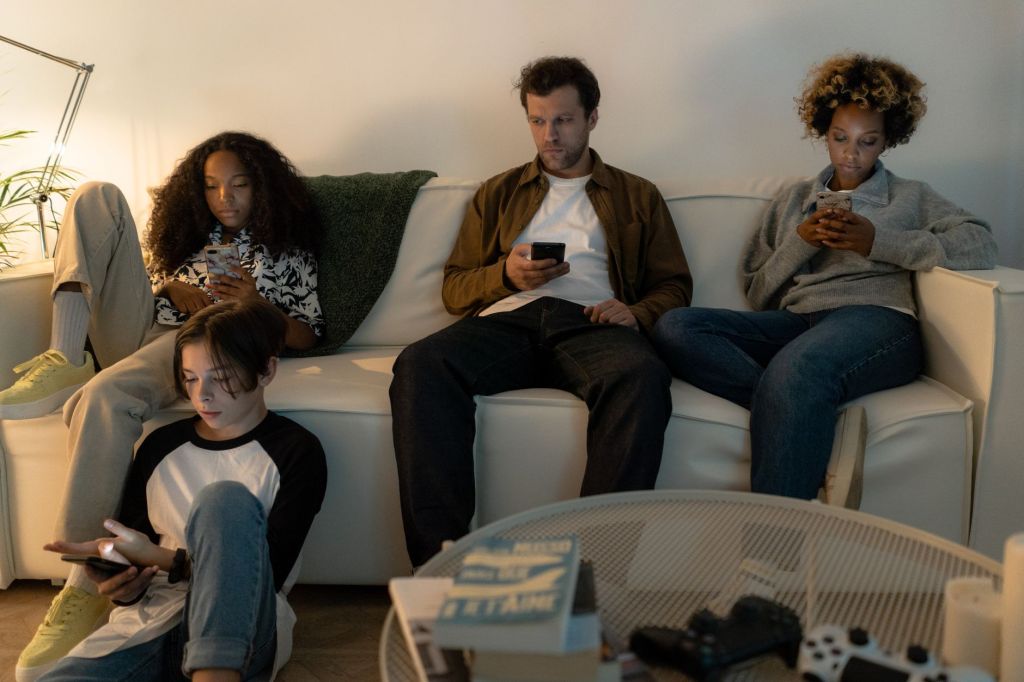
When the days get shorter, the weather turns colder and going outside becomes a little less appealing, it’s hardly surprising that we can all end up spending more time in front of a screen.
Whether it’s putting the television on to keep a toddler entertained while you get dinner ready, letting older children enjoy their favourite games after school, scrolling through your phone on a dark evening or settling down to watch a series after a long day, screens are a normal part of modern family life.
And honestly, winter can make it even harder to find the motivation to do anything else. When it’s cold, wet and dark outside by late afternoon, the sofa, a blanket and something good to watch can feel like exactly what you need.
But sometimes, without really noticing, our screen time can creep up. An extra episode turns into three, a quick scroll turns into half an hour, or the television stays on in the background for most of the day.
That doesn’t mean we’re doing anything wrong. Screens can be entertaining, educational, comforting and a useful way to give ourselves a little breathing space when family life gets busy.
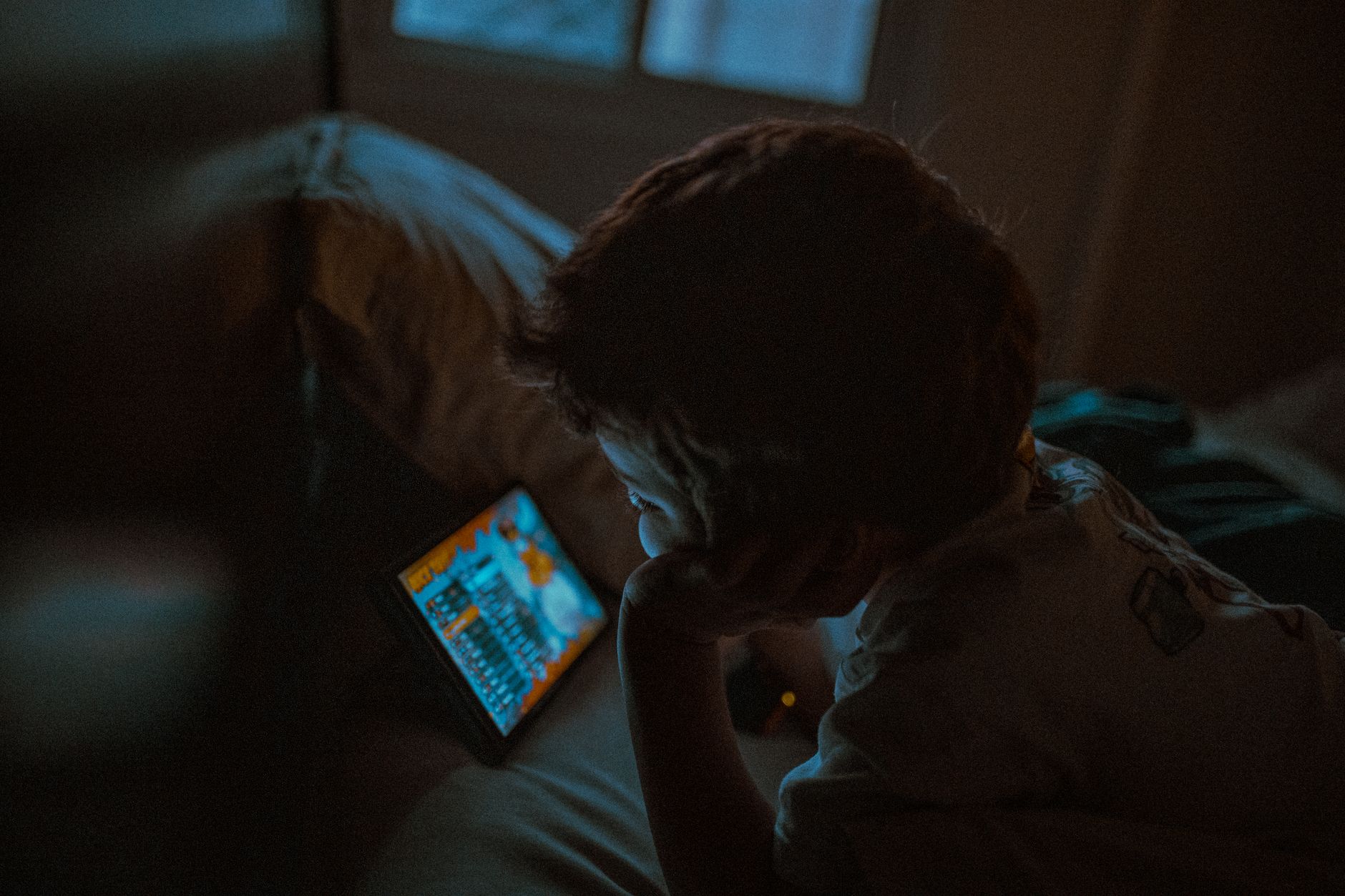
Instead, managing screen time in winter is about finding a balance that works for your household. It’s about having other options available, making room for different activities and thinking about how we feel after spending time on our devices.
As a mum to a toddler, I know that keeping little ones entertained during the colder months can be a challenge in itself. However, I think this is something worth considering for the whole family, from toddlers and school-aged children to teenagers and adults.
Here are some realistic ideas for managing screen time during winter without turning it into another parenting rule to feel guilty about.
Why Do We Tend to Spend More Time on Screens in Winter?
There are plenty of reasons why screen time can increase during the winter months.
For starters, we spend more time indoors. The weather can make outdoor activities less appealing, particularly when you have young children who need to be dressed in several layers before you can even get out of the front door.
The shorter days can also affect our routines. After school or work, there may only be a small window of daylight left, leaving less opportunity for a walk, a trip to the park or an outdoor activity.
Then there is the simple fact that screens are convenient. Television, tablets, games consoles and phones offer instant entertainment, and sometimes that is exactly what we need.
For parents, screens can provide a much-needed break while we cook, tidy the house or simply have five minutes to ourselves. For adults, they can be a way to unwind after a tiring day.
The aim isn’t to eliminate these things. Instead, it can be helpful to recognise when screen time is something we are actively enjoying and when we are simply using it because we haven’t thought of anything else to do.
Finding a Healthy Balance Rather Than Setting Strict Rules
When we talk about managing screen time, it’s easy to focus on limits, restrictions and the number of hours spent looking at a screen.
While boundaries can be helpful, I think it is equally important to consider the bigger picture.
Are we getting enough sleep? Are we making time for the things we enjoy? Are we moving our bodies throughout the day? Are we connecting with other people? And do we feel better or worse after spending time on our devices?
These questions can be more useful than simply counting minutes.
Different households will have different routines, and what works for one family might not work for another. A teenager using a computer for homework has different needs from a toddler watching a favourite programme, while an adult working from home may already spend most of the day in front of a screen.
There is no single approach that will suit everyone.
Rather than aiming for a perfect screen-time routine, try thinking about what you would like more room for in your day. Perhaps you want to read more, spend time playing with your children, get outside more often or simply have an evening that feels a little less rushed.
Once you know what you would like to make space for, it becomes easier to find small alternatives without feeling as though you have to give up screens completely.
Managing Screen Time for Toddlers
If you have a toddler, you’ll know that keeping them entertained throughout the day can feel like a full-time job.
Toddlers are curious, energetic and often keen to be involved in absolutely everything. They can also become bored with an activity within minutes, just as you’ve finally sat down with a cup of tea.
Television and age-appropriate programmes can be useful tools, particularly when you need to prepare a meal, make an important phone call or have a short break. There is no need to feel guilty about using them.
However, the winter months can be a good opportunity to introduce a few other activities into your routine.
Try simple activities at home
You don’t need an expensive collection of toys or complicated craft projects to keep a toddler occupied.
Everyday activities can be just as interesting at this age. You could try building a tower with blocks, reading favourite picture books, singing nursery rhymes, playing with toy animals or setting up a simple pretend-play game.
If you’re happy to embrace a little mess, drawing with chunky crayons, playing with playdough suitable for their age or exploring a water tray with close supervision can also provide plenty of entertainment.
You can even involve your toddler in everyday household jobs. Sorting socks, putting soft toys into a basket, helping to wipe a table or matching plastic containers with their lids can turn ordinary tasks into opportunities for play and learning.
Make the most of indoor movement
Toddlers often have plenty of energy to burn, even when the weather makes going outside difficult.
Put on some music and have a little dance party, create a simple obstacle course using cushions on the floor, play follow-the-leader or encourage your toddler to move like different animals.
You could pretend to stomp through autumn leaves, jump over puddles or march like a dinosaur. These activities require very little preparation and can help break up a long afternoon indoors.
Keep expectations realistic
One thing worth remembering is that toddlers do not need to be entertained every minute of the day.
Independent play, where a child explores toys or activities at their own pace, can be valuable too. You can offer a few suitable toys, sit nearby and allow your toddler to decide what to do.
Some days, an activity will hold their attention for twenty minutes. Other days, they will abandon it almost immediately and follow you into the kitchen instead.
That’s normal.
The aim isn’t to replace every television programme with an educational activity. It’s simply to have a few alternatives available so screens aren’t the only option when you’re looking for something to do.
For very young children, it is also worth following age-appropriate guidance on screen use, choosing suitable content and making sure screens do not regularly replace sleep, movement, interaction and play.

Screen-Free Ideas for School-Aged Children
For school-aged children, winter can be a great opportunity to rediscover activities that don’t involve a tablet, television or games console.
Of course, after a full school day, children may simply want to relax. There’s nothing wrong with that, and downtime is important too.
However, if you find that afternoons and weekends are becoming dominated by screens, introducing a few alternative activities can help create a more varied routine.
Get creative
Crafts are ideal for darker afternoons, particularly when you don’t want to spend much money.
Children could make seasonal decorations, create homemade cards, draw pictures, try simple sewing projects with age-appropriate supervision or build something from recycled cardboard.
You don’t need to buy a dedicated craft kit for every activity. Paper, colouring pencils, glue, cardboard boxes and items from the recycling can provide plenty of possibilities.
Make reading more inviting
Reading doesn’t have to mean sitting quietly with a book for an hour.
You could visit your local library, let your child choose a new book, read together before bed or listen to an audiobook while doing a puzzle or drawing.
For children who aren’t enthusiastic readers, graphic novels, comics, joke books and fact books can be good starting points.
The important thing is to make reading enjoyable rather than another task they feel they have to complete.
Try family games
Board games, card games, jigsaws and simple guessing games can be lovely ways to spend time together.
They don’t have to take up an entire evening either. A quick card game before dinner or a jigsaw left on the table for people to work on throughout the day can be enough to break up screen-heavy routines.
You could even have a family games night once a week, letting everyone take turns choosing what to play.
Helping Teenagers Find a Balance
Teenagers often use screens for far more than entertainment. Their phones and computers can be important tools for schoolwork, communication, hobbies and social connections.
For that reason, managing screen time with teenagers can be more complicated than simply deciding when devices should be switched off.
Rather than treating every hour online as wasted time, it can be more helpful to talk about how screen use fits into the rest of their lives.
Are they getting enough sleep? Do they have time for homework, hobbies and face-to-face friendships? Are they able to put their phone down when they want to concentrate on something else?
These conversations can be more productive than imposing rules without explaining the reasons behind them.
Encourage hobbies that fit their interests
Not every teenager will want to spend a rainy afternoon doing crafts or playing a board game with their family.
Some might enjoy baking, photography, music, drawing, reading, learning an instrument, going to the gym or meeting friends.
Others might enjoy activities that involve technology but offer a different experience from passive scrolling, such as learning to edit videos, creating digital artwork or developing coding skills.
The idea isn’t to insist that every hobby must be productive. Enjoyment matters too.
Agree on practical boundaries
If screens are regularly affecting sleep or family time, it may help to agree on a few realistic boundaries together.
For example, phones could be charged outside bedrooms overnight, meals could be an opportunity to talk without devices or everyone could have a regular period when notifications are switched off.
It is worth including adults in these arrangements where possible. Shared expectations are often easier to accept when they apply to the household rather than singling out teenagers.

Managing Screen Time as an Adult
It is easy to focus on children’s screen habits and overlook our own.
Adults use screens for work, household administration, shopping, socialising, entertainment and keeping up with the news. By the time we have finished everything we need to do, it can feel natural to spend the rest of the evening scrolling on our phones or watching television.
And sometimes, that is exactly what we want to do.
There is nothing inherently wrong with enjoying a film, catching up on a favourite series or spending time on social media. The question is whether our screen habits are helping us relax or leaving us feeling more tired, distracted or dissatisfied.
Notice your scrolling habits
Have you ever picked up your phone to check one notification and then realised half an hour has passed?
It is surprisingly easy to lose track of time when moving between social media, news articles, messages and videos.
One simple idea is to pay attention to when you tend to reach for your phone. Is it when you’re bored, tired, avoiding a task or looking for a little break?
You don’t need to stop doing it. Simply noticing the habit can help you decide whether there is something else you would rather do sometimes.
If you enjoy checking social media, you might choose a particular time to catch up rather than opening the apps automatically throughout the day.
Make your evenings feel more varied
Winter evenings can feel long, especially when it’s dark outside before dinner.
If you find yourself watching television every evening without really enjoying it, try introducing one or two alternative activities into the week.
You could read a few pages of a book, take a relaxing bath, do a puzzle, try a new recipe, work on a hobby or spend time chatting with your partner.
You might even enjoy listening to a podcast while doing a little housework or a craft project.
None of these activities has to replace television completely. They are simply other options to choose from when you fancy a change.
Be mindful of comparison
Social media can be entertaining and a useful way to connect with others, but it can also leave us comparing our everyday lives with carefully selected moments from someone else’s.
This can feel particularly noticeable during winter, when other people’s festive outings, beautifully decorated homes and seemingly endless activities appear on our feeds.
If certain accounts regularly leave you feeling inadequate, it is perfectly reasonable to mute them, unfollow them or take a break from that content.
Your home doesn’t have to look a particular way, your family doesn’t have to do every seasonal activity and your winter weekends don’t need to be packed with plans.
Sometimes a quiet afternoon at home is exactly what you need.
Screen-Free Winter Activities for the Whole Family
If you want to reduce screen time a little without making it feel like a big project, here are some simple ideas to try.
At home
- Have a family baking afternoon and make biscuits, cakes or a simple homemade pizza.
- Choose a jigsaw to work on together over several days.
- Get out the board games or a pack of cards.
- Make seasonal decorations using paper and recycled materials.
- Build a blanket den and spend some time reading inside it.
- Try a family quiz or a game of charades.
- Put on some music and have a dance around the living room.
- Cook a new recipe together.
- Start a shared book, puzzle or craft project that you can return to whenever you have time.
Outside the house
- Visit your local library.
- Go for a winter walk and look for interesting leaves, birds or signs of seasonal change.
- Visit a local museum, garden centre or indoor attraction.
- Explore a new park when the weather allows.
- Head to a swimming pool or soft-play center with younger children.
- Visit a local market or community event.
- Take a walk to collect pine cones and fallen leaves for seasonal crafts, where collecting is permitted.
You don’t have to spend money every time you leave the house, either. A walk around your local area can be just as enjoyable as a planned day out.
And if the weather is truly miserable, staying home is perfectly acceptable. The point is to have options, not to turn winter into a constant search for activities.
Could a Family Screen-Time Routine Help?
Some families find that a little structure makes screen time easier to manage, particularly when everyone has different habits.
That doesn’t mean you need a complicated timetable or a strict set of rules.
You could start with a few simple ideas that suit your household.
For example, you might decide that dinner is usually screen-free, that everyone has some time to unwind after school or work, or that you try one family activity at the weekend before settling down to watch a film.
For younger children, predictable routines can make transitions easier. Giving a toddler a warning before turning off a programme and having another activity ready can sometimes help avoid a difficult moment.
For older children and adults, agreeing on routines together can make them feel less like restrictions.
It is also important to remember that family life isn’t consistent every day. There will be evenings when everyone is exhausted, the television stays on for longer than planned and nobody has the energy to play a board game.
That doesn’t mean the routine has failed. You can simply try again tomorrow.
What About Family Film Nights and Gaming?
Managing screen time doesn’t mean screens have to become the enemy.
Watching a film together, playing a family-friendly video game or enjoying a favourite television programme can be a lovely way to spend time as a family.
These activities can be social, relaxing and enjoyable, particularly when everyone has had a busy day.
The difference is that you’re choosing to enjoy something together rather than automatically reaching for a device because there is nothing else to do.
You might decide to have a weekly family film night, let each person take turns choosing the film or enjoy a gaming session together.
For teenagers and adults, gaming can also be a genuine hobby and a way to connect with friends. As with other activities, the important considerations are balance, sleep, responsibilities and how the person feels about their habits.
There is room for screens and other activities in a healthy family routine.
Don’t Forget That Rest Is Important Too
One thing I think is worth remembering is that not every moment of our free time needs to be filled with something useful.
There can be a lot of pressure on parents to provide enriching activities, cook from scratch, keep the house tidy, get outside every day and make magical memories for their children.
Add screen-time advice to that list and it can start to feel as though we are constantly doing something wrong.
But rest matters.
Sometimes you need to put the television on while you make dinner. Sometimes your child wants to watch their favourite programme, and sometimes you want to sit on the sofa and watch something that requires absolutely no concentration.
You don’t have to turn every rainy afternoon into a craft session or every evening into an opportunity for self-improvement.
The aim of managing screen time is not to remove every easy or enjoyable activity. It is to make sure there is room for other things when you want them.
If screens are helping you relax and they aren’t regularly getting in the way of sleep, relationships or everyday responsibilities, there may be no need for a dramatic change.
Small adjustments are enough to start with.
Final Thoughts: Finding Your Own Winter Balance
Winter can be a lovely time to slow down, spend more time at home and enjoy some of the quieter activities that get pushed aside during busier months.
It can also be a tiring season, particularly when you’re balancing work, parenting, household responsibilities and everything else that comes with everyday life.
Managing screen time doesn’t have to mean strict limits, guilt or banning devices from the house. It can simply mean being a little more aware of our habits and making room for other activities when they appeal to us.
For toddlers, that might mean a few more songs, stories and opportunities for imaginative play. For school-aged children, it could be crafts, reading or games. Teenagers might benefit from finding a hobby they enjoy away from their phones, while adults could try putting their devices aside occasionally to read, relax or reconnect with the people around them.
And sometimes, the best change is simply switching off the television because nobody is really watching it anyway.
You don’t need to overhaul your entire routine or become a family who spends every weekend outdoors. Start small, experiment with a few ideas and see what works for you.
Most importantly, remember that screens are part of modern life. They can be useful, entertaining and comforting, and enjoying them doesn’t make you a bad parent or mean you’re wasting your time.
It’s about finding a balance that feels right for you and your family, allowing space for both screen time and everything else that makes winter enjoyable.

