
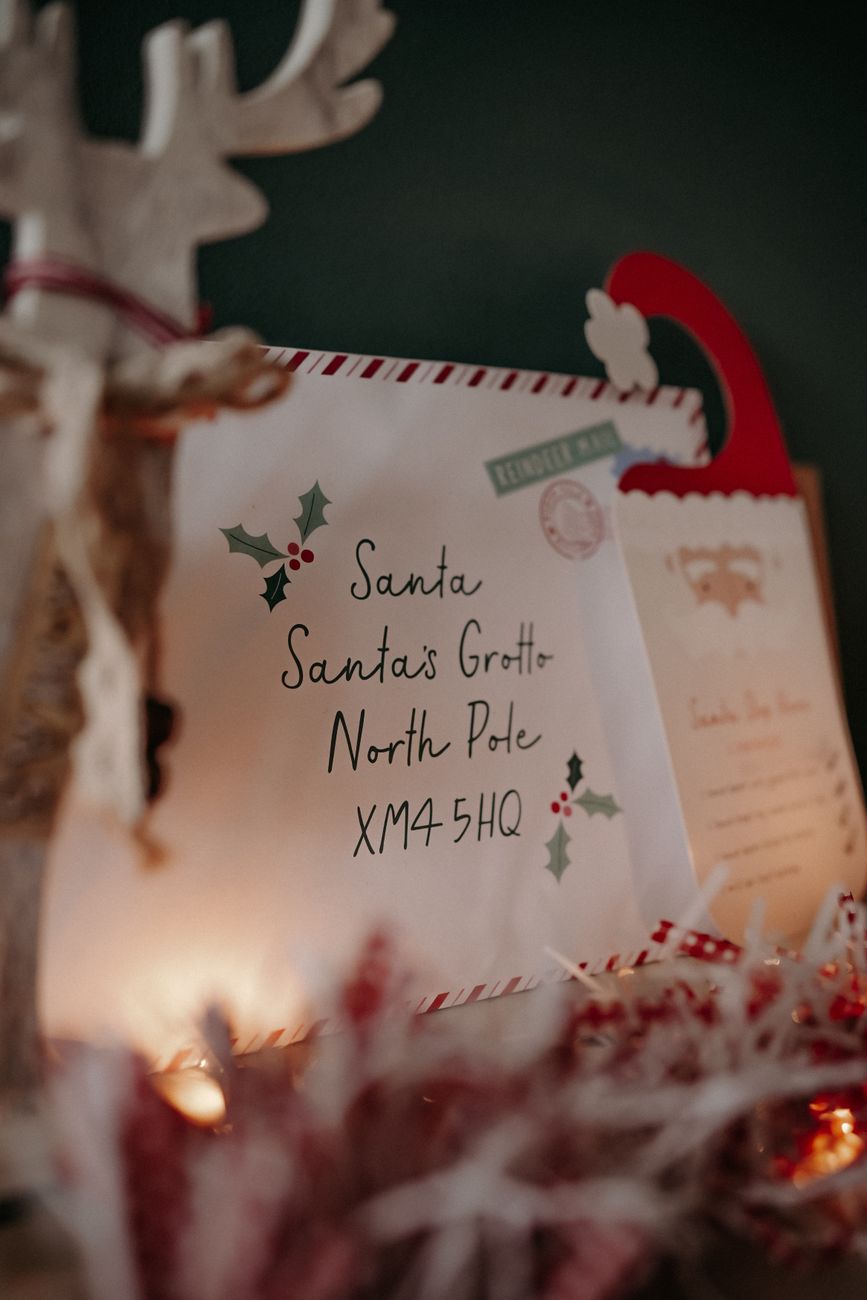
Christmas is such a lovely time of year, especially when you have little ones at home. There is something special about the excitement building throughout December, putting the decorations up, watching Christmas films together and seeing the magic of the season through your child’s eyes.
But let’s be honest: Christmas can also be expensive.
Between presents, food, decorations, festive days out and all those little extras that seem to creep into the shopping trolley, the costs can quickly add up. When you are already juggling everyday bills, the weekly food shop and family life, it can feel as though there is an awful lot of pressure to make Christmas special.

As a mum to a toddler, I know how easy it is to get caught up in wanting to make everything lovely for your family. You want to create those memories, make the day exciting and enjoy the traditions that come with Christmas. But I also think it is important to remember that we don’t have to spend a fortune to do that.
A magical Christmas doesn’t have to mean piles of expensive presents, a calendar full of activities or an enormous food shop. Sometimes, it is the simplest things that make the best memories.
So, if you are thinking about how to budget for Christmas as a family, here are some realistic ways to make your money go further without losing the fun and excitement of the festive season.
1. Set a Christmas Budget That Works for Your Family
Before getting carried away with present shopping or booking festive days out, it is worth sitting down and working out what you can realistically afford to spend.
It might not be the most exciting part of Christmas planning, but knowing where you stand financially can make the whole season feel less stressful.
Start by looking at your usual household expenses, including bills, food shopping, travel and any other essentials. Once those are accounted for, decide how much you can comfortably put towards Christmas without relying on credit or using money you will need later.
There is no magic number that every family should spend. What works for one household might be completely unrealistic for another, and that is absolutely fine.
Once you have a total figure, divide it into a few categories, such as presents, food, decorations, days out and travel to visit family. You might decide that presents are your main priority, or perhaps you would rather spend less on gifts and put some money towards a special family outing.
The important thing is to make those decisions before you start spending.
I find that having a rough plan can make Christmas feel much more manageable. You don’t need an elaborate spreadsheet or a complicated budgeting system, either. A simple list on your phone or a notebook will do the job.
The aim isn’t to take all the spontaneity out of Christmas. It is simply to give yourself a little breathing room so you can enjoy it without constantly worrying about the cost.
2. Plan Presents and Spread the Cost
Presents can easily become one of the biggest expenses at Christmas, particularly when you have children and a long list of family members to buy for.
It is lovely to give presents to the people you care about, but there can also be a lot of pressure to buy something for absolutely everyone. Before you know it, a few small gifts here and there have turned into a much bigger bill than you expected.
Start by making a list of everyone you intend to buy for and decide on a realistic spending limit for each person. This gives you a clearer idea of how much you need and helps prevent last-minute shopping from pushing you over budget.
It might also be worth having a conversation with your extended family about how you approach presents. Could you agree on a spending limit for adults or organise a Secret Santa instead of buying for everyone individually?
These conversations can feel a little awkward, but there is every chance other people are feeling the same financial pressure. A simpler approach can make Christmas easier for everyone.
Save throughout the year
If you have the opportunity, putting a little money aside throughout the year can make a real difference.
For example, saving £20 a month from January to November would give you £220 towards Christmas. Even if you can only manage a smaller amount, it is still a start.
You could keep the money in a separate savings pot so it doesn’t get mixed up with your everyday spending. Then, when Christmas comes around, you already have money set aside rather than needing to find everything at once.
If you are reading this close to Christmas, don’t worry that you have missed your chance. You can still make a plan for this year and start saving earlier for the next one.
Don’t overlook second-hand gifts
I am a big believer in looking beyond the high street when shopping on a budget. Charity shops, car boot sales and online marketplaces can be brilliant places to find presents, particularly for young children.
Books, puzzles, toys and dressing-up clothes can often be found in excellent condition for a fraction of their original price. Children can get just as much enjoyment out of a well-chosen second-hand toy as they can from something brand new.
It is also a lovely way to find something a little different rather than buying the same things everyone else is buying.
Of course, check items carefully for their condition and age suitability. Be particularly cautious with safety-critical products such as car seats and helmets, where the history or condition may be difficult to verify.
And remember, a thoughtful present doesn’t have to be an expensive one. Homemade gifts, handmade cards and little things chosen with someone in mind can be just as meaningful.

3. Remember That Little Ones Don’t Need Mountains of Presents
When you have a toddler, it is easy to get caught up in wanting Christmas morning to be absolutely magical.
There are so many lovely toys available, and it can be tempting to keep adding things to your basket because you can picture how excited your little one might be to open them.
But children don’t need a huge pile of presents to enjoy Christmas.
At toddler age, the excitement can come from all sorts of things: the wrapping paper, the Christmas tree, helping to open a present or playing with one new toy for the rest of the morning. The atmosphere and time spent together can be just as important as what is underneath the tree.
I think it is worth remembering this when you feel tempted to buy more simply because you worry there won’t be enough.
Choose a few presents that suit your child’s age and interests, rather than feeling that you need to fill every available space beneath the tree. Books, building blocks, craft supplies and imaginative play toys can all provide plenty of entertainment without needing to buy lots of individual gifts.
As children get older, involving them in age-appropriate conversations about money can also help them understand that every family has different circumstances.
There is no need to compare your Christmas with anyone else’s. What matters is creating a day that feels special for your own family.
4. Keep Christmas Food Shopping Under Control
Christmas food is another area where it is surprisingly easy to overspend.
Supermarkets are full of tempting festive treats, special editions and offers, and it is very easy to convince yourself that you need a little bit of everything. Add in the excitement of planning Christmas dinner, and your shopping trolley can quickly become more expensive than expected.
My biggest piece of advice is to plan what you will actually eat.
Think about Christmas dinner, breakfasts, snacks, desserts and any meals you will need if family or friends are visiting. Make a list, check your cupboards and freezer, and see what you already have before heading to the supermarket.
You might be surprised by how many ingredients you can use without buying everything from scratch.
It is also worth considering supermarket own-brand products and comparing prices. You can still put together a lovely Christmas meal without choosing the most expensive version of every item.
If you are hosting, don’t be afraid to ask guests to bring a dessert, side dish or drinks if they are happy to help. Christmas dinner can involve a lot of preparation, and sharing the responsibility can make things easier as well as cheaper.
Make the most of leftovers
One of the nice things about Christmas is having a fridge full of food to enjoy over the following days, but there is no point spending money on food that ends up in the bin.
Think about how you might use leftovers before you buy everything. Leftover meat can go into sandwiches, pies, curries or soups, while vegetables can be used in bubble and squeak or added to other meals.
You don’t need to turn every leftover into an elaborate recipe, either. Sometimes a simple sandwich or an easy dinner is exactly what you need after the busyness of Christmas Day.
Store leftovers safely and only keep what you are realistically going to eat. Reducing waste is a straightforward way to make your Christmas food budget go further.
5. Enjoy Christmas Activities Without Spending a Fortune
One of the things I love about the festive season is that there is so much to see and do. From Christmas lights and markets to Santa visits and festive attractions, there always seems to be something happening.
But the costs can quickly add up, particularly when you are paying for several family members. Tickets are only part of the expense when you also need to consider parking, food, drinks and any little souvenirs your child might spot along the way.
Rather than trying to do everything, choose the activities that matter most to your family.
Perhaps there is one special attraction you really want to visit, or maybe taking your little one to see Santa is a tradition you look forward to. Make room for the things you genuinely want to do, then enjoy simpler activities for the rest of the month.
There are plenty of ways to make December feel festive without spending much money:
- Go for an evening walk to look at Christmas lights.
- Have a Christmas film afternoon with blankets and homemade popcorn.
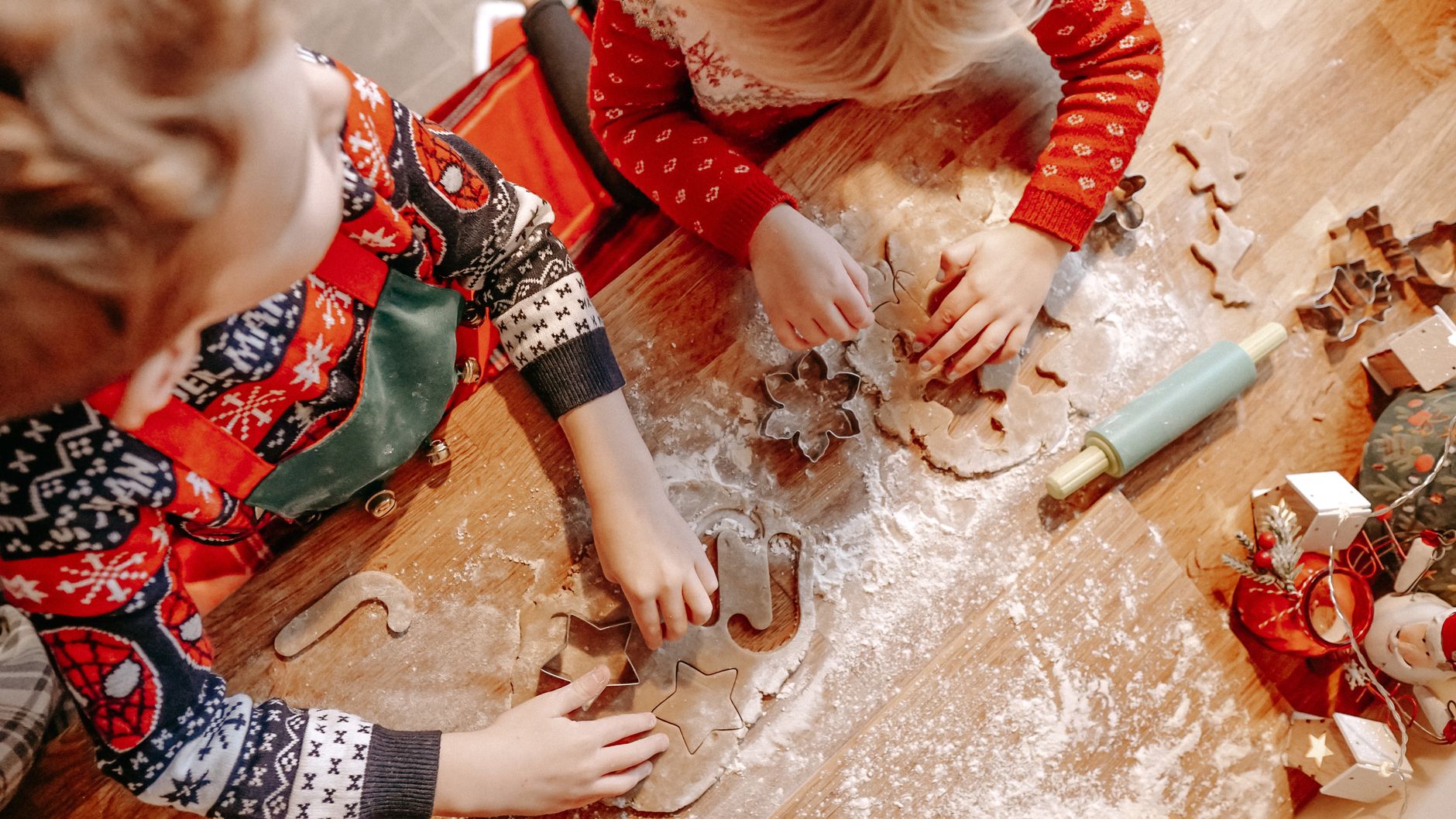
- Make Christmas cards or decorations together.
- Bake simple festive treats at home.
- Visit your local library to look for Christmas books.
- Enjoy a winter walk and look for seasonal changes.
- Have a Christmas pyjama day with games and films.
- Put on some Christmas music and decorate the house together.
These activities can be particularly lovely with toddlers, who often enjoy the process just as much as the finished result.
You could also look for free community events, local Christmas celebrations or library activities. Just remember to account for travel and parking where necessary.
For paid attractions, check whether family tickets, advance bookings or off-peak sessions offer better value. Most importantly, don’t feel that you need to fill every weekend with an outing. There is nothing wrong with having a quiet day at home, especially during an already busy time of year.
6. Reuse Decorations and Get Creative
Decorating the house is one of the things that makes Christmas feel real, but you don’t need to buy new decorations every year to make your home feel festive.
Before heading to the shops, get out the decorations you already own. You might have more than enough to make the house feel lovely without spending anything at all.
If you fancy doing something different, try rearranging your existing decorations or choosing a theme using things you already have. You could also make some simple decorations together as a family.
Paper chains, handmade Christmas cards and decorations made from card can be lovely activities for young children. They might not look like something from a perfectly styled Christmas home, but they can be full of character and become part of your family’s traditions.
If you do want to buy a few new things, choose decorations you genuinely love and expect to use for years to come.
It is also worth checking what you already have before buying wrapping paper, gift bags, ribbon or batteries. Reusing gift bags and boxes in good condition can save money and reduce waste.
These little preparations are not particularly glamorous, but they can help avoid those last-minute shopping trips when you realise you have run out of something important.
7. Avoid Putting Christmas on Credit
When money is tight, using a credit card, overdraft or buy-now-pay-later service to cover Christmas costs can seem like an easy solution.
However, borrowing for presents and festive extras can leave you with repayments long after the decorations have come down. Depending on the product and its terms, interest, fees or missed payments can make the original purchases more expensive.
If you find that your Christmas wish list is bigger than your budget, it is worth stepping back and deciding what you can comfortably manage.
You can reduce the number of presents, agree lower spending limits with relatives or choose free activities instead of expensive days out. None of these decisions makes your Christmas less worthwhile.
If you are already worried about paying essential bills or managing existing debt, prioritise those commitments rather than taking on more borrowing for Christmas.
Free, impartial debt advice is available in the UK from organisations such as StepChange and Citizens Advice.
There is no shame in having a smaller Christmas. Your family’s financial security matters long after the festive season has ended, and you deserve to enjoy January without worrying about how you will pay for December.
8. Let Go of the Pressure to Have a Perfect Christmas
I think one of the hardest things about Christmas can be the pressure we put on ourselves to make everything perfect.
Social media can make it seem as though everyone else has beautifully decorated homes, mountains of presents, matching pyjamas, elaborate meals and a calendar full of exciting festive activities.
It can leave you feeling as though you should be doing more, buying more or creating something equally impressive for your own family.
But we rarely see the full picture behind those photographs, including how much things cost or what people may have had to sacrifice to afford them.
Your family doesn’t need to recreate someone else’s Christmas to have a lovely time.
As a mum, I want to create happy memories for my daughter, but I also think there is value in keeping things realistic. Family life is busy enough without turning Christmas into another long list of things we feel we have to achieve.
Some of the loveliest memories can come from ordinary moments: watching a favourite film, going for a walk, playing together at home or enjoying a relaxed morning without rushing anywhere.
Your Christmas doesn’t have to look perfect to be special.
And if your budget looks different this year because of changes in household expenses or unexpected costs, give yourself permission to adapt. You are not failing your family by spending less.
Final Thoughts: A Budget-Friendly Christmas Can Still Be Magical
Budgeting for Christmas as a family isn’t about taking away all the fun or saying no to every festive treat. It is about making choices that suit your circumstances and allowing yourself to enjoy the season without unnecessary financial stress.
Start with a realistic budget, plan your presents, spread the cost where possible and focus your spending on the things your family will enjoy most. Thoughtful gifts, simple meals and free activities can all help you make the most of what you have.
Most importantly, remember that there is no minimum amount you need to spend to create a magical Christmas.
You don’t have to buy the biggest presents, visit every attraction or prepare an enormous dinner. You don’t need to compete with other families or feel guilty because your Christmas looks different from someone else’s.
For me, the heart of Christmas is spending time with the people you love and creating memories together. Those things don’t need a huge budget.
With a little planning and a realistic approach, you can enjoy the excitement of Christmas, make lovely memories with your family and start the new year feeling more financially comfortable.

